
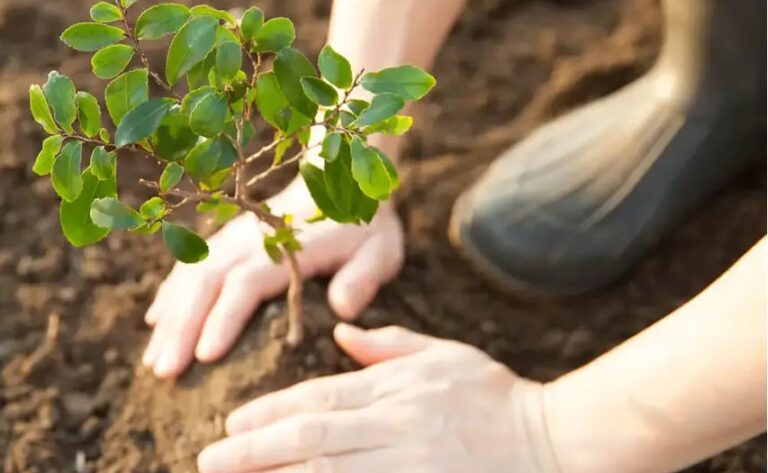
Trees can be some of the most valuable long-term investments on a homestead.
A well-chosen tree can provide:
🌿 shade
🍇 food
🪵 usable wood
🐦 wildlife habitat
🌬️ wind protection
🏡 privacy
🌱 organic matter
The challenge is deciding which tree deserves space on your property.
Apple, pear, maple, walnut, cedar, and many other trees can all be useful depending on your climate and goals. But if you want a fast-growing, productive, multipurpose tree, the mulberry deserves serious consideration.
Mulberries can provide abundant fruit, generous shade, useful wood, and habitat for wildlife. Some varieties also begin producing while the tree is still relatively young.
That said, mulberries are not perfect for every property. Their fruit can be messy, some species can become invasive in certain regions, and mature trees need plenty of room.
Here is what makes the mulberry tree so useful—and what you should know before planting one.
🍇 What Is a Mulberry Tree?
Mulberries belong to the genus Morus.
Several species and cultivars are grown around the world, including forms commonly referred to as:
✔ white mulberry
✔ red mulberry
✔ black mulberry
Despite those names, fruit color alone is not always a reliable way to identify a species.
Mulberry fruits can range from pale white and pink to deep red, purple, or almost black.
The ripe fruit is generally:
🍬 sweet
🍓 fruity
🍇 berry-like
✨ sometimes slightly tart
The flavor varies greatly depending on the species, cultivar, growing conditions, and ripeness.
🌳 1. Mulberry Trees Can Grow Quickly
One of the biggest advantages of mulberries is their relatively fast growth.
Many fruit trees require considerable patience before they develop into substantial shade trees.
Mulberries can establish much more quickly under suitable conditions.
How fast do they grow?
Growth depends on:
🌱 species
☀️ sunlight
💧 water
🌿 soil fertility
🌡️ climate
🌳 age of the tree
Some young mulberries can put on impressive growth during favorable seasons, but claims that every tree will grow enormous amounts each year are exaggerated.
A better way to think about them is:
Mulberries are generally fast-growing compared with many other fruiting trees.
That can be very valuable when establishing a new homestead.
🍇 2. They Can Produce Large Amounts of Fruit
This is probably the main reason to grow one.
A mature fruiting mulberry can produce an impressive crop.
And because individual fruits ripen progressively rather than all at once, harvest can continue over a period of time.
Mulberries can be eaten:
✔ fresh from the tree
✔ in jams
✔ in jellies
✔ in pies
✔ in muffins
✔ in sauces
✔ in smoothies
✔ dried
✔ frozen
✔ cooked into compotes
Their soft texture means they do not usually store as long as harder fruits such as apples, so processing or freezing excess berries can be very useful.
🧺 3. Mulberries Are Excellent for Preserving
For homesteaders interested in preserving seasonal harvests, mulberries are particularly versatile.
Fresh fruit can be turned into:
🍯 jam
🥧 pie filling
🫙 preserves
🍹 syrups
🍇 dried fruit
❄️ frozen berries
Freezing is one of the easiest methods.
Spread washed and dried berries on a tray, freeze them individually, then transfer them to freezer-safe containers.
This prevents them from freezing into one large block.
🌞 4. A Mature Mulberry Can Provide Valuable Shade
Mulberry trees can develop broad, leafy canopies.
That makes them useful for providing shade around:
🏡 outdoor living areas
🐓 livestock areas where appropriate
🌱 certain garden edges
🪑 seating areas
🌾 open sections of a property
However, location matters.
Because ripe mulberries can fall and stain surfaces, don’t automatically plant a fruiting tree directly above your favorite patio.
Avoid planting directly over:
❌ pale paving
❌ vehicles
❌ swimming pools
❌ outdoor furniture
❌ frequently used walkways
A productive mulberry can be wonderful.
A productive mulberry dropping hundreds of purple berries onto a white terrace is less wonderful. 😅
🌬️ 5. Mulberries Can Contribute to Wind and Privacy Plantings
Fast-growing trees can be useful when you’re trying to develop a more sheltered property.
Mulberries may contribute to:
🌬️ seasonal wind protection
🌳 visual screening
🏡 privacy
🐦 habitat
But they shouldn’t automatically be treated as the ideal windbreak species everywhere.
A good windbreak often includes multiple rows and multiple species, including evergreens where year-round protection is needed.
Mulberries are deciduous, so they lose their leaves in winter.
That means their effectiveness as a windbreak changes with the season.
🪵 6. Mulberry Wood Can Be Useful
Mulberry wood is dense and can be used for various purposes.
Depending on the tree and local practices, seasoned wood may be useful for:
🔥 firewood
🛠️ small woodworking projects
🪚 rustic outdoor projects
For firewood, as with any species, the wood should be properly seasoned before burning.
Important
Don’t plant a mulberry solely because you expect immediate firewood production.
A living fruit tree often has greater value producing:
🍇 food
🌳 shade
🐦 habitat
than being cut down young.
Pruned branches and older trees, however, can provide useful woody material.
✂️ 7. Some Mulberries Can Be Propagated From Cuttings
Another useful feature is that certain mulberries can be propagated vegetatively.
Depending on the species and cultivar, gardeners may use:
🌿 hardwood cuttings
🌱 softwood cuttings
✂️ other propagation methods
Success rates vary considerably.
Some cultivars root readily, while others may be much more difficult.
Why propagation matters on a homestead
One established tree may eventually help you create additional trees for:
🌳 property boundaries
🍇 additional fruit production
🐓 farm areas
🌱 future plantings
But don’t assume every cutting will root successfully.
🐦 8. Mulberries Can Support Wildlife
Mulberries are extremely attractive to birds.
Depending on your perspective, this is either:
❤️ a major advantage
or
😅 a harvest-management challenge.
Birds can consume large quantities of ripe berries.
Mulberry trees may also provide:
✔ perching areas
✔ nesting habitat
✔ seasonal food for wildlife
On a diversified property, this can increase ecological value.
But if your goal is to harvest every berry yourself, you may need to accept some competition.
🐓 9. Fallen Fruit Can Be Useful Around a Farm
Ripe mulberries often drop naturally.
On a traditional suburban patio, that can be messy.
On a larger homestead, careful placement can turn that characteristic into an advantage.
Fallen fruit may be consumed by certain farm animals or wildlife.
That can make mulberries useful in carefully designed farm systems.
⚠️ Important
Never assume every animal can safely eat unlimited quantities of any fruit.
Feed practices should always be appropriate for the species and balanced with its normal diet.
🌿 10. Mulberry Leaves Have Interesting Traditional Uses
Mulberry leaves—especially those of white mulberry—have a long history of use in agriculture.
Most famously, they are the primary food of silkworms.
This connection made mulberry cultivation enormously important in historic silk production.
Leaves have also been used traditionally in various cultures for other purposes.
However:
Do not assume that all mulberry leaves, stems, or bark should simply be eaten because the fruit is edible.
Species identification, preparation, and intended use matter.
For most homesteaders, the safest and most straightforward edible part to focus on is the ripe fruit.
🎨 11. Dark Mulberries Can Be Used for Natural Dye Experiments
If you have ever picked dark mulberries, you already know how strongly the juice can stain your hands.
That intense purple-red pigment can also be experimented with as a natural textile dye.
You can try using ripe dark berries to color:
🧵 fabric
🧶 yarn
📜 craft materials
However, there is an important difference between staining something and creating a durable textile dye.
Natural colors may fade with:
☀️ sunlight
🧼 washing
⏳ time
Proper fabric preparation and mordanting techniques may improve results depending on the material and method.
For a homestead craft project, however, mulberry dye can be great fun.
🍇 Are Mulberries Nutritious?
Yes.
Fresh mulberries provide:
✔ vitamin C
✔ dietary fiber
✔ carbohydrates
✔ various plant compounds
Dark-colored varieties also contain pigments such as anthocyanins and other polyphenols.
That makes mulberries a nutritious fruit to include in a varied diet.
⚠️ But avoid miracle-health claims
You may see online claims that mulberries:
❌ cure diabetes
❌ treat arthritis
❌ prevent cancer
❌ cause weight loss
❌ control blood pressure
❌ treat anemia
Those claims go far beyond what should be promised from eating the fruit.
Mulberries can be part of a healthy diet.
They should not be presented as a treatment for disease.
🌱 How Long Before a Mulberry Produces Fruit?
This varies substantially depending on how the tree was propagated and which cultivar you’re growing.
A grafted or vegetatively propagated tree may fruit sooner than a seed-grown tree.
Some mulberries can begin producing while relatively young.
Others take longer.
Before buying
Ask the nursery:
✔ Is this cultivar fruiting?
✔ Is it self-fertile?
✔ How old is the plant?
✔ Was it grown from seed or propagated vegetatively?
✔ When should fruiting normally begin in my climate?
This is much more useful than relying on a universal number of years.
☀️ Where Should You Plant a Mulberry Tree?
Mulberries generally perform best with abundant sunlight.
A good location should offer:
☀️ plenty of sun
🌱 suitable soil
💧 adequate drainage
📏 enough space for mature growth
🏠 adequate distance from structures
Consider future size
A tiny nursery tree can eventually become a substantial tree.
Think about:
🌳 canopy width
🌿 roots
🍇 falling fruit
🐦 bird activity
🚗 driveways
🏠 buildings
🔌 utilities
Choose the location for the mature tree, not the tree you bring home in a pot.
🏠 Do Mulberry Roots Damage Foundations?
This claim often gets exaggerated.
Tree roots generally do not simply attack and destroy sound foundations.
However, large trees should not be planted carelessly against buildings or infrastructure.
Roots can interact with:
🚰 damaged pipes
🧱 existing structural weaknesses
🚶 pavement
🌳 confined planting areas
The practical solution is simple:
Give a mature mulberry plenty of space.
Follow local planting guidance regarding distance from buildings, utilities, and paved surfaces.
⚠️ Is Mulberry Invasive?
This is one of the most important questions to ask before planting.
The answer depends on:
🌎 your location
🌳 species
🌱 cultivar
For example, white mulberry (Morus alba) is considered invasive in some regions and can spread into natural areas.
It can also hybridize with native mulberry populations in some places.
Before planting
Check with:
✔ your local extension service
✔ agricultural authority
✔ invasive-species database
✔ reputable local nursery
Choose a locally appropriate, non-invasive species or cultivar whenever possible.
Never plant a species simply because an online article says every homestead needs one.
🍇 Fruiting vs. Fruitless Mulberry
Some mulberry cultivars are grown primarily for shade and produce little or no fruit.
These can be useful when the messy fruit is undesirable.
But for a homestead focused on food production, a fruiting cultivar is obviously much more valuable.
Fruiting mulberry
Best for:
🍇 food
🐦 wildlife
🫙 preserving
🌱 food-producing landscapes
Fruitless mulberry
Best when:
🌳 shade is the primary goal
🧹 fruit mess would be unacceptable
Always verify what you’re buying.
😅 The Biggest Disadvantage: Mulberries Can Be Messy
There is no point pretending otherwise.
A productive mulberry tree can drop a lot of fruit.
The berries may:
🟣 stain pavement
🚗 mark vehicles
👟 stain shoes
🐦 attract birds
🪰 attract insects around fallen fruit
Smart placement solves much of the problem
Plant fruiting trees over:
🌿 soil
🌱 pasture
🐓 suitable farm areas
🍂 mulched zones
rather than over pristine hard surfaces.
✂️ Does a Mulberry Need Pruning?
Young trees may benefit from thoughtful structural pruning.
As the tree matures, pruning may help:
✔ remove damaged branches
✔ improve structure
✔ manage size
✔ remove crossing limbs
Avoid excessive or careless pruning.
If large branches are involved, professional arborist advice may be worthwhile.
💧 How Much Water Does a Mulberry Need?
Newly planted trees need consistent moisture while establishing roots.
Once established, many mulberries become relatively tolerant of periods of dryness, although productivity and growth still depend on climate and soil.
For young trees
Focus on:
✔ deep watering
✔ less frequent shallow sprinkling
✔ mulching around the root zone
✔ keeping mulch away from the trunk itself
Water needs vary with heat, rainfall, soil texture, and tree age.
🌱 Mulching Around a Mulberry
Mulch is useful for young trees because it can:
💧 conserve moisture
🌡️ moderate soil temperature
🌿 suppress competing weeds
🍂 gradually contribute organic matter
Apply mulch broadly over the root zone.
Don’t create a “mulch volcano”
Keep mulch several inches away from direct contact with the trunk.
Piling wet mulch against bark can encourage problems.
🌳 When You Should NOT Plant a Mulberry Tree
Mulberries are useful, but they aren’t ideal everywhere.
Think twice if:
❌ your region considers the species invasive
❌ you have only a tiny yard
❌ you need to plant immediately beside a building
❌ fallen fruit would land on valuable paving or vehicles
❌ bird activity would be a major nuisance
❌ you don’t want a potentially large tree
❌ your climate is unsuitable for the selected cultivar
A tree that is perfect on a five-acre homestead may be completely inappropriate in a small urban courtyard.
🌱 Other Trees Worth Considering for a Homestead
Mulberry isn’t automatically the best tree for everyone.
Depending on your location and priorities, you might prefer:
🍎 apple – storage fruit and processing
🍐 pear – productive and long-lived
🌰 chestnut – food and timber potential
🌳 maple – shade and, with suitable species, sap
🌲 evergreen species – year-round windbreak
🌰 walnut – nuts and valuable wood
🍑 peach – quick fruit production in suitable climates
🌿 native fruit and nut trees – biodiversity and local adaptation
The best homestead tree is the one that matches your climate, property, goals, and local ecosystem.
❓ FAQ – Mulberry Trees for Homesteads
Are mulberry trees fast-growing?
Many mulberries are considered relatively fast-growing, particularly when young and grown in favorable conditions. Actual growth varies by species, climate, soil, water, and age.
How big does a mulberry tree get?
Mature size varies substantially by species and cultivar. Always check the expected height and spread before planting.
Do mulberry trees produce fruit quickly?
Some vegetatively propagated or grafted trees can fruit relatively young, while seed-grown trees may take longer. Ask the nursery about the specific cultivar.
Are all mulberries edible?
Fruit from commonly cultivated edible Morus species is eaten around the world, but always correctly identify a plant before consuming fruit.
What do mulberries taste like?
Most ripe mulberries are sweet and berry-like, sometimes with a slight tartness. Flavor varies considerably among cultivars.
Can you make jam from mulberries?
Yes. Mulberries are excellent for jams, jellies, syrups, pies, and other preserves.
Are mulberry trees messy?
Fruiting varieties can be. Ripe berries drop easily and may stain pale surfaces.
Should I plant a mulberry next to my house?
Usually it’s better to give a mature tree plenty of room away from structures and paved surfaces.
Are mulberries invasive?
Some species, especially white mulberry in certain regions, can be invasive. Always check local guidance before planting.
Do you need two mulberry trees for fruit?
It depends on the cultivar. Some are self-fertile, while reproductive characteristics vary. Confirm with your nursery.
Can mulberries be propagated from cuttings?
Some species and cultivars can be propagated from cuttings, but rooting success varies.
Is mulberry wood good for firewood?
Seasoned mulberry wood can make good firewood. As with all firewood, it should be properly dried before burning.
Do birds eat mulberries?
Absolutely. Birds frequently love ripe mulberries, so expect to share part of the harvest.
🏁 Final Thoughts
If you want a tree that can provide food, shade, wildlife value, useful wood, and relatively rapid growth, a well-chosen mulberry can be an outstanding addition to a homestead.
Its biggest advantages are clear:
🍇 abundant edible fruit
🌳 relatively fast growth
🌞 generous shade
🪵 useful wood
🐦 wildlife value
✂️ propagation potential
🎨 natural-dye possibilities
But good planning matters just as much as the tree itself.
Before planting:
✅ choose an appropriate fruiting cultivar
✅ check whether it is invasive locally
✅ give it plenty of room
✅ keep falling fruit away from sensitive surfaces
✅ consider mature size before choosing the location
The best tree for a homestead isn’t necessarily the tree with the longest list of supposed miracle benefits.
It is the tree that fits the property and keeps providing useful value year after year.
For many homesteads, a properly selected mulberry tree does exactly that. 🌳🍇