
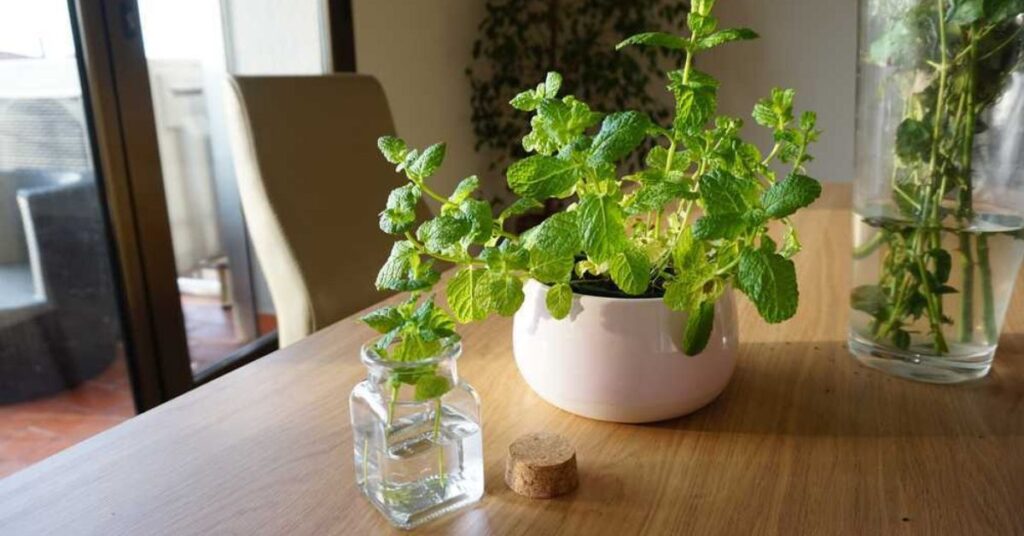
Warm summer evenings on the patio should be relaxing—not spent constantly swatting mosquitoes. 🦟
This is why plants such as citronella, lavender, basil, and peppermint are often promoted as natural mosquito repellents. Many of these plants contain aromatic compounds that have indeed been studied for their insect-repelling properties.
But there is an important distinction:
🌱 Growing a mosquito-repelling plant is not the same as applying a proven mosquito repellent.
Simply placing a few pots around your patio is unlikely to create a completely mosquito-free zone. Still, these aromatic plants can be beautiful additions to your garden, and some contain compounds that may help discourage mosquitoes under certain conditions.
Here are 10 plants worth growing, what they can realistically do, and the additional steps that can make your outdoor space less attractive to mosquitoes.
🌿 1. Basil
Basil (Ocimum basilicum) isn’t only useful for pesto and summer salads. Its leaves contain strongly aromatic volatile compounds, and basil-derived oils have been investigated for their insect-repelling properties.
Where to grow it
Basil is particularly convenient in pots placed:
✔ near a sunny patio
✔ beside outdoor dining areas
✔ near the kitchen
✔ on balconies and terraces
It generally prefers warmth, plenty of light, and consistently moist but well-drained soil.
🦟 Does basil really repel mosquitoes?
The aromatic compounds found in basil are interesting from a mosquito-control perspective, but don’t expect one basil plant sitting on a table to protect everyone nearby.
Think of basil primarily as a useful culinary plant with potentially helpful aromatic properties, rather than a replacement for proven mosquito protection.
🐱 2. Catnip
Catnip (Nepeta cataria) is one of the more interesting plants on this list.
It contains an aromatic compound called nepetalactone, which has been studied for insect-repelling activity.
Growing catnip
Catnip generally prefers:
☀️ sun to partial shade
🌱 well-drained soil
💧 moderate watering
Once established, it can grow vigorously.
⚠️ One thing to remember
Catnip may be extremely attractive to cats. 🐈
If neighborhood cats regularly visit your garden, consider growing it in containers rather than directly beside delicate plants.
And again, evidence concerning catnip compounds doesn’t mean a pot of catnip automatically creates an invisible mosquito barrier around your patio.
🍋 3. Citronella Grass
Citronella is probably the name most strongly associated with natural mosquito control.
True citronella grass, including Cymbopogon species used to produce citronella oil, contains aromatic compounds used in various mosquito-repellent products.
🌱 Plant vs. citronella oil
This distinction matters.
A citronella plant growing beside your chair does not release the same controlled concentration of active compounds as a properly formulated citronella repellent.
So:
Citronella plant ≠ citronella repellent product
Still, citronella grass is an attractive aromatic plant for warm gardens and large containers.
Growing conditions
It generally appreciates:
☀️ plenty of sunlight
🌡️ warm temperatures
💧 regular watering
🪴 a reasonably large container
Protect it from cold temperatures where necessary.
🌺 4. Scented Geranium
Plants marketed as “citronella plants” or “mosquito plants” are often scented geraniums rather than true citronella grass.
Their strongly scented foliage can smell pleasantly citrusy when touched or crushed.
Does it keep mosquitoes away?
This is where marketing often gets ahead of reality.
The presence of a scented geranium on your patio does not guarantee protection from mosquito bites.
Nevertheless, it remains a lovely container plant and can contribute fragrance and color to an outdoor seating area.
Place it somewhere sunny where you can enjoy the foliage rather than depending on it as your primary mosquito-control strategy.
💜 5. Lavender
Lavender is an excellent choice if you want a plant that’s both ornamental and aromatic.
Its distinctive fragrance comes from volatile compounds in its flowers and foliage, and lavender-derived oils have been investigated for insect-repelling effects.
Why gardeners love it
Lavender provides:
💜 beautiful flowers
🐝 value for pollinators
🌿 aromatic foliage
☀️ excellent performance in sunny locations
It generally prefers full sun and well-drained soil.
Will a lavender pot stop mosquito bites?
Not reliably.
The concentration of aromatic compounds surrounding an intact plant is very different from that of an extracted or formulated repellent.
Grow lavender because it is beautiful, fragrant, and useful—not because you expect it to create a mosquito-proof patio.
🍋 6. Lemon Balm
Lemon balm (Melissa officinalis) produces a pleasant lemony aroma when its leaves are touched.
Like several members of the mint family, it contains aromatic compounds that make it interesting for a mosquito-themed garden.
Growing lemon balm
It’s relatively easy to grow and can spread enthusiastically.
For that reason, a container is often a smart choice.
🪴 Grow in pots
☀️ Provide sun or partial shade
💧 Water when needed
✂️ Trim regularly to control growth
⚠️ Don’t automatically rub it on your skin
A common internet tip recommends crushing lemon balm leaves and rubbing them directly onto exposed skin.
I wouldn’t rely on this method for mosquito protection.
Natural plant material can irritate sensitive skin, and a homemade preparation doesn’t provide the predictable protection of a properly tested and labeled insect repellent.
🌼 7. Marigolds
Marigolds are frequently planted around vegetable gardens because they’re colorful, easy to grow, and useful in companion-planting schemes.
Their distinctive aroma has also earned them a reputation as mosquito-repelling plants.
Reality check
Evidence that simply growing marigolds around a patio provides meaningful mosquito protection is limited.
That doesn’t mean you shouldn’t grow them.
Marigolds offer plenty of other advantages:
🌼 long-lasting color
☀️ excellent performance in sunny locations
🪴 suitability for containers
🐝 flowers attractive to various beneficial insects
Consider mosquito control an additional possibility—not their main purpose.
🌿 8. Peppermint
Peppermint (Mentha × piperita) produces strongly aromatic leaves rich in compounds such as menthol.
Mint-derived essential oils have attracted attention for potential insect-repelling properties.
Best way to grow peppermint
Use a container.
Mint spreads aggressively through underground stems and can quickly occupy areas where you never intended to grow it.
A large pot keeps it under control while providing plenty of fresh leaves for:
🍵 tea
🥗 recipes
🍹 summer drinks
Does the plant itself repel mosquitoes?
The fragrance may make your patio pleasant, but an intact peppermint plant should not be treated as dependable protection against mosquito bites.
🌿 9. Rosemary
Rosemary is another excellent dual-purpose plant.
Its strongly aromatic foliage is useful in cooking while also containing volatile compounds that have been investigated for insect-repelling properties.
Perfect patio herb
Rosemary loves:
☀️ bright sunlight
🌱 excellent drainage
💧 moderate watering
It’s particularly suitable for sunny patios and Mediterranean-style gardens.
What about homemade rosemary mosquito spray?
Recipes involving boiled rosemary water are popular online.
However, a homemade rosemary spray should not be assumed to provide the same duration or reliability of protection as a tested mosquito repellent.
Enjoy rosemary as an aromatic herb first.
🌿 10. Lemongrass
Lemongrass is another wonderfully aromatic plant for warm-weather gardens.
When its foliage is rubbed, it releases an unmistakable citrus fragrance.
It’s sometimes confused with citronella grass because the plants are related and share certain aromatic characteristics.
Why grow it?
Lemongrass offers several benefits:
🌿 attractive foliage
🍋 fresh citrus fragrance
🍲 culinary uses
🪴 excellent container potential
Give it plenty of sunshine, warmth, and sufficient water during active growth.
In colder climates, container-grown plants can be moved to a protected location.
🦟 So, Can Plants Really Create a Mosquito-Free Patio?
Unfortunately, no plant can guarantee a mosquito-free yard simply by growing nearby.
This is one of the biggest misconceptions surrounding “mosquito-repellent plants.”
Research showing repellent activity often involves:
🧪 extracted plant compounds
🌿 essential oils
🧴 specially formulated products
🔬 controlled experimental conditions
That’s very different from placing a lavender plant beside your garden chair.
So rather than asking:
“Which plant will eliminate mosquitoes?”
A better question is:
“How can aromatic plants become one part of a broader mosquito-control strategy?”
And that’s where these plants make much more sense.
💧 The Most Important Step: Remove Standing Water
Before buying ten new plants, inspect your garden for water.
Mosquitoes require water for their immature stages, and surprisingly small containers can become breeding sites.
At least once a week, check:
✔ flowerpot saucers
✔ buckets
✔ children’s outdoor toys
✔ watering cans
✔ clogged gutters
✔ discarded containers
✔ tarps holding rainwater
✔ birdbaths
✔ wheelbarrows
✔ unused plant pots
Empty, clean, cover, turn over, or otherwise manage containers that collect unnecessary water.
🪴 Don’t forget plant saucers
Ironically, your “mosquito-repelling plants” can contribute to the problem if their saucers remain full of standing water.
Check them regularly.
💨 The Simple Fan Trick
There’s another surprisingly useful addition to outdoor seating areas:
a fan.
Mosquitoes are relatively weak fliers, so sufficiently strong airflow around a seating area can make it harder for them to land.
A fan also disperses some of the cues mosquitoes use to locate people.
For a covered patio or terrace with access to electricity, combining aromatic plants with airflow can be much more practical than expecting the plants to do all the work.
🪟 Protect the Inside of Your Home Too
Mosquito control shouldn’t stop at the patio.
Check:
🪟 window screens
🚪 door screens
🕳️ damaged mesh
🚪 gaps around doors
Repairing damaged screens is one of the simplest ways to reduce mosquitoes indoors.
🧴 What Should You Use When You Really Need Protection?
If mosquitoes are abundant or mosquito-borne illnesses are a concern, don’t depend exclusively on plants or homemade essential-oil mixtures.
Use an appropriately registered mosquito repellent according to its label.
Depending on your country, proven active ingredients may include options such as:
✔ DEET
✔ picaridin/icaridin
✔ IR3535
✔ oil of lemon eucalyptus/PMD in approved formulations
The exact products and recommendations vary by location.
⚠️ Be Careful With Essential Oils
“Natural” doesn’t automatically mean harmless.
Concentrated essential oils can cause:
❌ skin irritation
❌ allergic reactions
❌ eye irritation
❌ problems if swallowed
❌ risks for some pets
Never assume that an essential oil can be applied directly to the skin simply because it comes from a plant.
Follow the directions for the specific product you’re using.
🐶 Mosquito Plants and Pets
Pet owners should also research plants before bringing them into the home or placing them where pets regularly chew foliage.
For example, catnip obviously attracts many cats, while some other ornamental plants or concentrated essential oils may be inappropriate for pets.
Keeping plants out of reach is sensible when you’re uncertain.
🌿 Where Should You Put These Plants?
Rather than scattering them randomly around the garden, use them as part of your patio design.
Good locations include:
🪴 around seating areas
🚪 beside entrances
🪟 near patios and windows
🍽️ around outdoor dining spaces
🌿 in herb gardens
Remember, strategic placement makes the plants easier to enjoy, but it doesn’t turn them into a protective force field against mosquitoes.
🌸 A Beautiful Mosquito-Conscious Patio Combination
For a sunny patio, try combining:
Lavender + rosemary + basil + scented geranium + lemongrass
You’ll get different heights, textures, fragrances, and culinary uses.
For containers that receive slightly less sun, lemon balm, mint, and catnip may provide additional options depending on your local growing conditions.
The goal is to create a beautiful aromatic garden while using other measures for actual mosquito management.
❌ 5 Common Mosquito-Control Mistakes
1. Assuming one citronella plant protects the whole patio
The plant alone doesn’t release enough active compounds to provide reliable personal protection.
2. Leaving water under plant pots
Standing water can provide mosquito breeding habitat.
3. Rubbing essential oils directly onto skin
Concentrated oils can irritate skin and aren’t automatically suitable for topical use.
4. Ignoring gutters and hidden containers
The mosquito problem may be coming from a tiny water source you haven’t noticed.
5. Depending entirely on “natural” remedies
When reliable bite protection matters, use proven mosquito-control measures.
❓ FAQ – Mosquito-Repelling Plants
🌿 What is the best plant for keeping mosquitoes away?
There isn’t one plant that reliably creates a mosquito-free area simply by growing nearby. Citronella grass, catnip, basil, lavender, mint, rosemary, and lemongrass contain aromatic compounds of interest, but their intact plants shouldn’t replace proven mosquito protection.
🦟 Does citronella really repel mosquitoes?
Citronella oil in suitable formulations can have mosquito-repelling properties. Growing a citronella-related plant nearby is not equivalent to applying a formulated repellent.
💜 Does lavender keep mosquitoes away?
Lavender contains aromatic compounds with potential insect-repelling properties, but a lavender plant alone isn’t reliable protection against bites.
🌿 Does basil repel mosquitoes?
Basil contains aromatic compounds that have been investigated for insect-repelling effects. The plant is still better viewed as a useful aromatic herb than as a stand-alone mosquito control method.
🐱 Is catnip effective against mosquitoes?
Catnip contains nepetalactone, a compound with demonstrated insect-repelling properties under experimental conditions. That doesn’t guarantee that simply growing catnip beside you will prevent bites.
🌼 Do marigolds repel mosquitoes?
Marigolds are frequently promoted for this purpose, but evidence that the intact plants provide meaningful mosquito protection around people is limited.
🪴 Where should mosquito-repelling plants be placed?
They work beautifully as aromatic landscaping around patios, entrances, windows, balconies, and outdoor seating areas. Just don’t expect their location alone to prevent bites.
💧 What’s the best natural way to reduce mosquitoes in the garden?
Eliminating unnecessary standing water is one of the most important measures because it targets mosquito breeding sites.
🏁 Final Thoughts
Basil, catnip, citronella grass, scented geranium, lavender, lemon balm, marigolds, peppermint, rosemary, and lemongrass can all make wonderful additions to a summer garden. 🌿
Several contain aromatic compounds that have been studied for mosquito-repelling activity—but the scientific evidence for an extracted compound shouldn’t be confused with the effectiveness of the intact plant sitting in a pot.
For a more mosquito-conscious patio, combine your plants with:
✔ regular removal of standing water
✔ clean gutters and plant saucers
✔ good window and door screens
✔ airflow from outdoor fans
✔ appropriate repellents when personal protection is needed
That way, you get the beauty and fragrance of an aromatic garden without relying on plants to do a job they can’t reliably accomplish alone. 🌿🦟