

Unwanted guests in your home or garden? Many people immediately reach for chemical products, but there are simple, natural alternatives.
Baking soda is one of the most popular household remedies. It is inexpensive, versatile, and easy to use. However, not every baking soda trick lives up to its promises.
👉 In this guide, you’ll discover:
✔️ What actually works
✔️ Where baking soda has limitations
✔️ Which natural alternatives may be more effective
🌿 Goal: A clean, healthy home without unnecessary harsh chemicals.
🧪 Why Baking Soda May Work Against Some Pests
Baking soda (sodium bicarbonate) changes pH and may affect the internal balance of certain insects. It also has a mild drying effect.
👉 Important:
Not all pests react to baking soda in the same way.
Some may interact with it, while others simply ignore it.
🪳 Cockroaches: Does Baking Soda and Sugar Really Work?
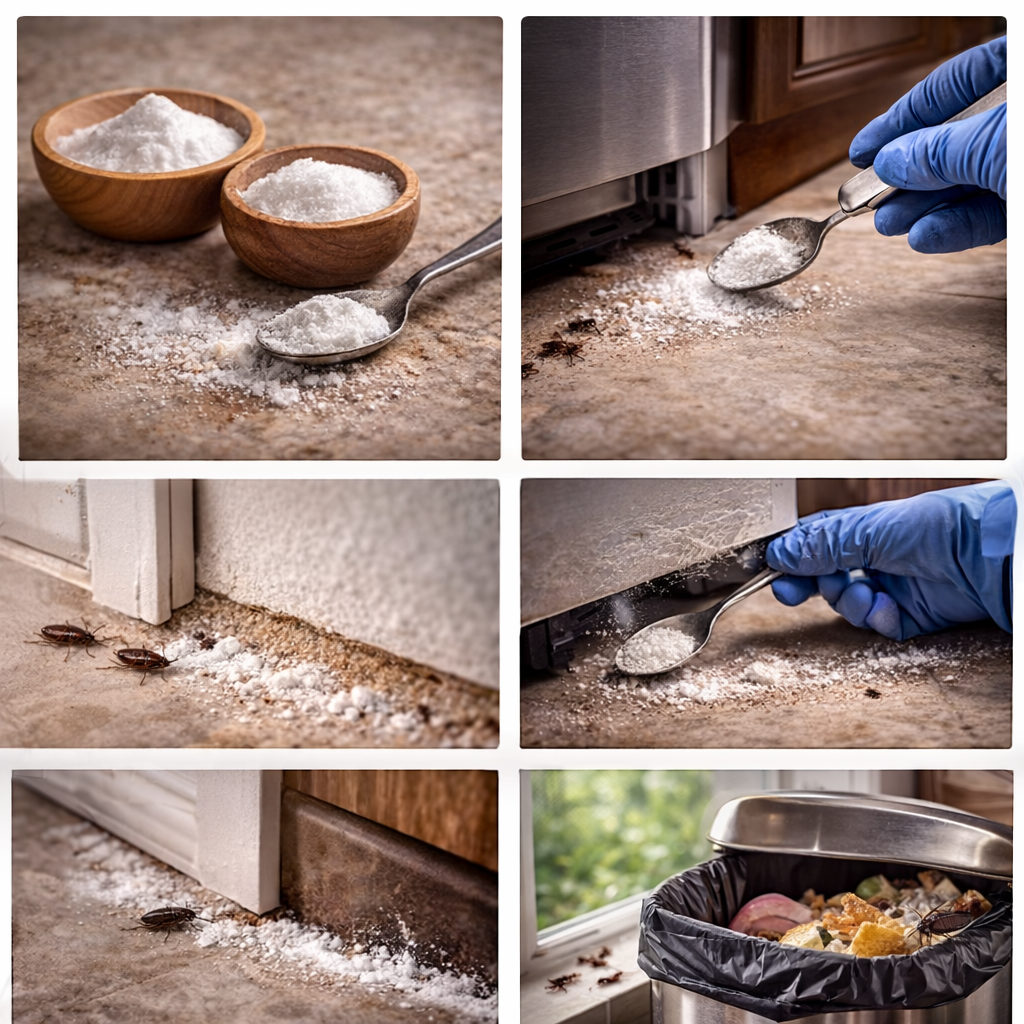
Cockroaches in the home are a problem many people underestimate. They hide well, reproduce quickly, and can keep returning if the underlying causes aren’t addressed.
Many people try household remedies such as baking soda and sugar. But does this trick actually work, or is it mostly an internet myth?
🧪 Baking Soda + Sugar: How Does the Trick Work?
Mixture:
✔️ 1 part baking soda
✔️ 1 part sugar
👉 Mix thoroughly and use only in targeted areas.
📍 How to Use It
Place small amounts:
- In dark corners
- Behind the refrigerator, stove, or sink
- Along baseboards
👉 Focus on areas where cockroaches tend to hide.
⚙️ Effectiveness: Theory vs. Reality
👉 Sugar may attract cockroaches.
👉 Baking soda may react in their digestive system.
💡 But keep in mind:
- Not all cockroaches will eat the mixture.
- Results aren’t immediate.
- This method is unlikely to solve a serious infestation.
👉 Bottom line: It may help in some situations, but it isn’t a reliable standalone solution.
⚠️ The Biggest Truth: Cleanliness Matters
This is crucial 👇
❌ Food scraps
❌ Grease buildup
❌ Moisture
👉 These conditions attract cockroaches and encourage them to stay.
Even the best household remedy won’t solve the problem if these underlying conditions remain.
🧼 What Really Makes a Difference
✔️ Clean the kitchen daily
✔️ Take out garbage regularly
✔️ Store food in airtight containers
✔️ Dry damp areas immediately
👉 These habits are essential for long-term control.
🌿 Better Alternatives
If you want more reliable results, targeted pest-control methods are generally more dependable than baking soda alone.
🌼 Diatomaceous Earth
✔️ Works mechanically
✔️ Can dry out crawling insects
✔️ Doesn’t depend on the insect eating a bait
👉 Application:
- Apply a very thin layer in cracks, corners, and along baseboards.
- Pay particular attention to areas behind appliances.
- Use only in dry locations.
👉 Important:
- Avoid breathing the fine dust.
- Follow the product label carefully.
- Keep it away from areas where children or pets could disturb it.
🧪 Cockroach Bait Gel
✔️ Specifically designed to attract cockroaches
✔️ Generally more reliable than homemade remedies
Place small amounts according to the product instructions in cracks, crevices, and other areas where cockroach activity is visible.
🐜 Ants: Baking Soda Isn’t the Most Reliable Solution
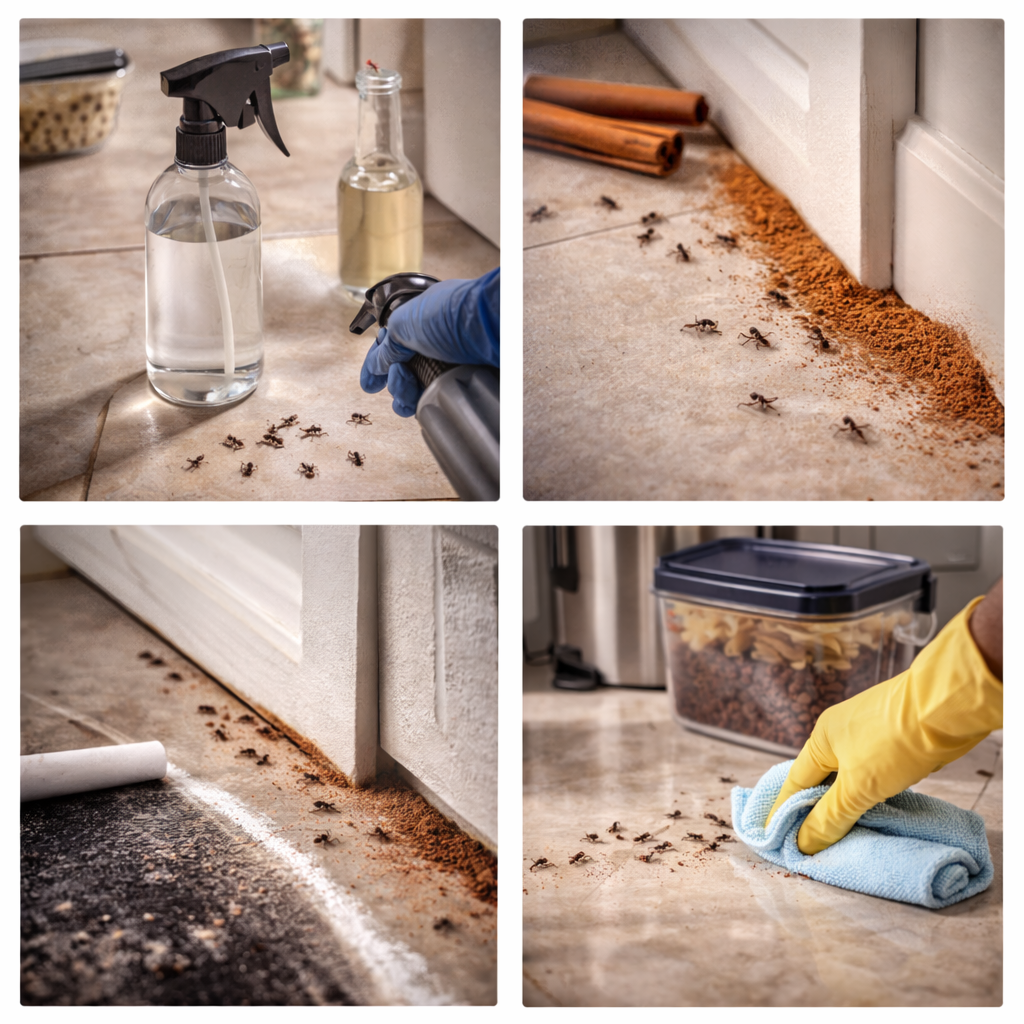
Many people try baking soda against ants, but the trick is often unreliable.
The bigger issue is that ants follow chemical scent trails called pheromones.
As long as ants have access to food, water, and entry points, they may continue returning.
🧼 What Helps More
Start by:
✔️ Removing crumbs immediately
✔️ Storing food in airtight containers
✔️ Emptying garbage regularly
✔️ Cleaning ant trails
✔️ Sealing cracks and entry points
👉 These measures address the conditions that allow ants to keep returning.
🧠 In Short
👉 Baking soda isn’t a dependable ant-control solution.
👉 Removing food sources, cleaning trails, and blocking entry points are more important.
🍌 Fruit Flies: Baking Soda Isn’t the Best Solution
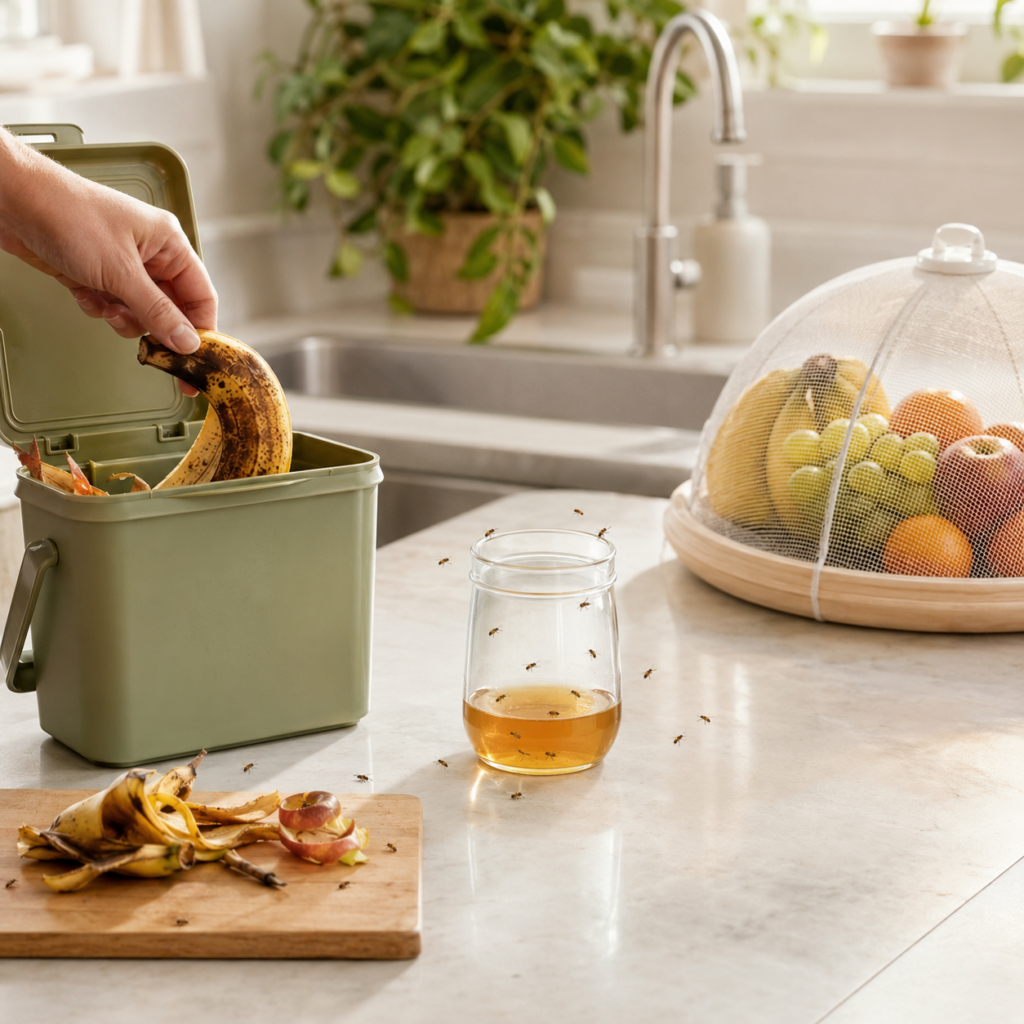
Fruit flies usually appear where there is ripe fruit, sugary residue, fermenting material, or damp organic matter.
Baking soda may help neutralize some odors, but it doesn’t reliably eliminate either the source or the flies themselves.
What works better:
- Cover ripe fruit or store it in the refrigerator.
- Empty food waste frequently.
- Thoroughly clean countertops and drains.
- Remove fruit peels and juice spills immediately.
- Find and eliminate the breeding source.
👉 With fruit flies, removing the food and breeding source matters far more than baking soda.
🕷️ Spiders: Baking Soda Usually Does Very Little
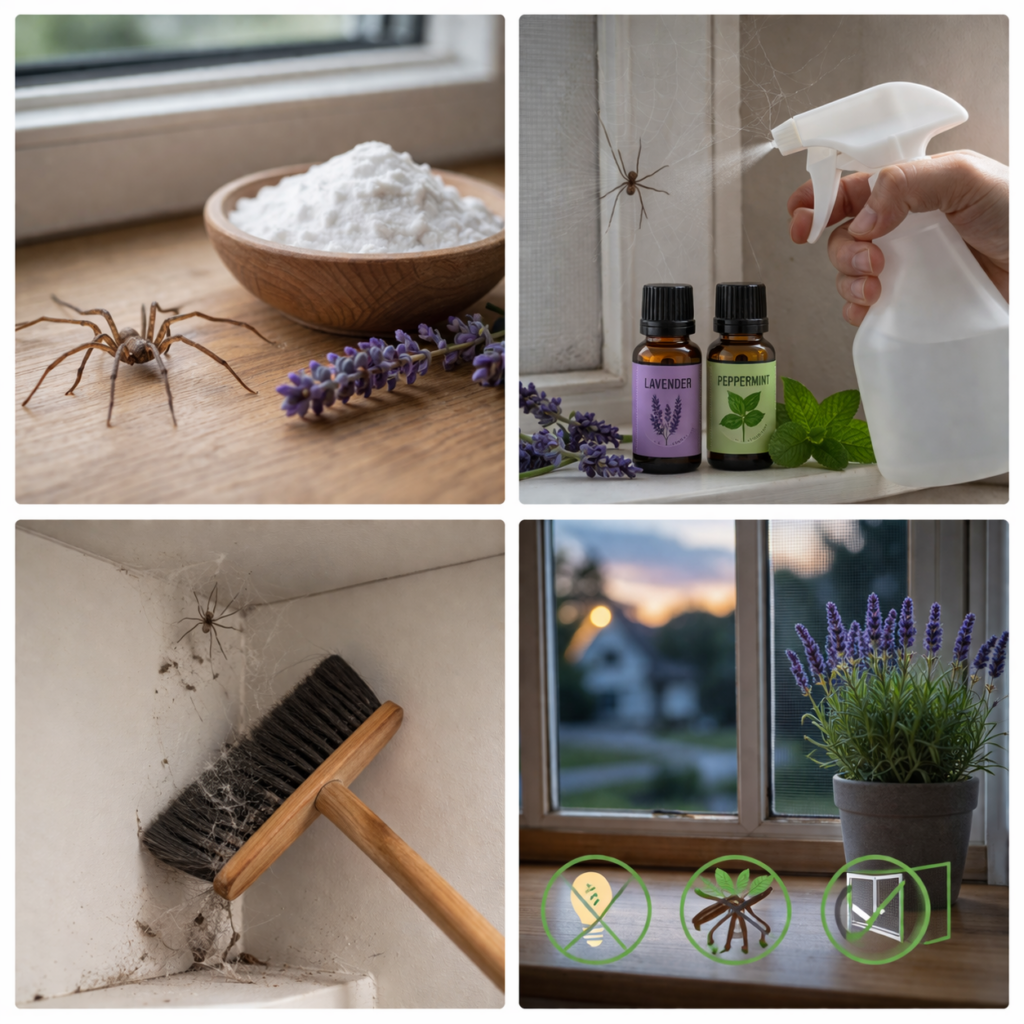
Baking soda sprays are sometimes recommended for spiders, but baking soda isn’t considered a dependable spider repellent.
🌿 A Better Approach
Instead of relying on a homemade spray:
✔️ Remove webs regularly
✔️ Vacuum corners and window frames
✔️ Seal gaps around windows and doors
✔️ Use window screens
✔️ Reduce insects inside the home
👉 Fewer insects = less food for spiders.
🦟 Mosquitoes: Why Baking Soda Doesn’t Help Much
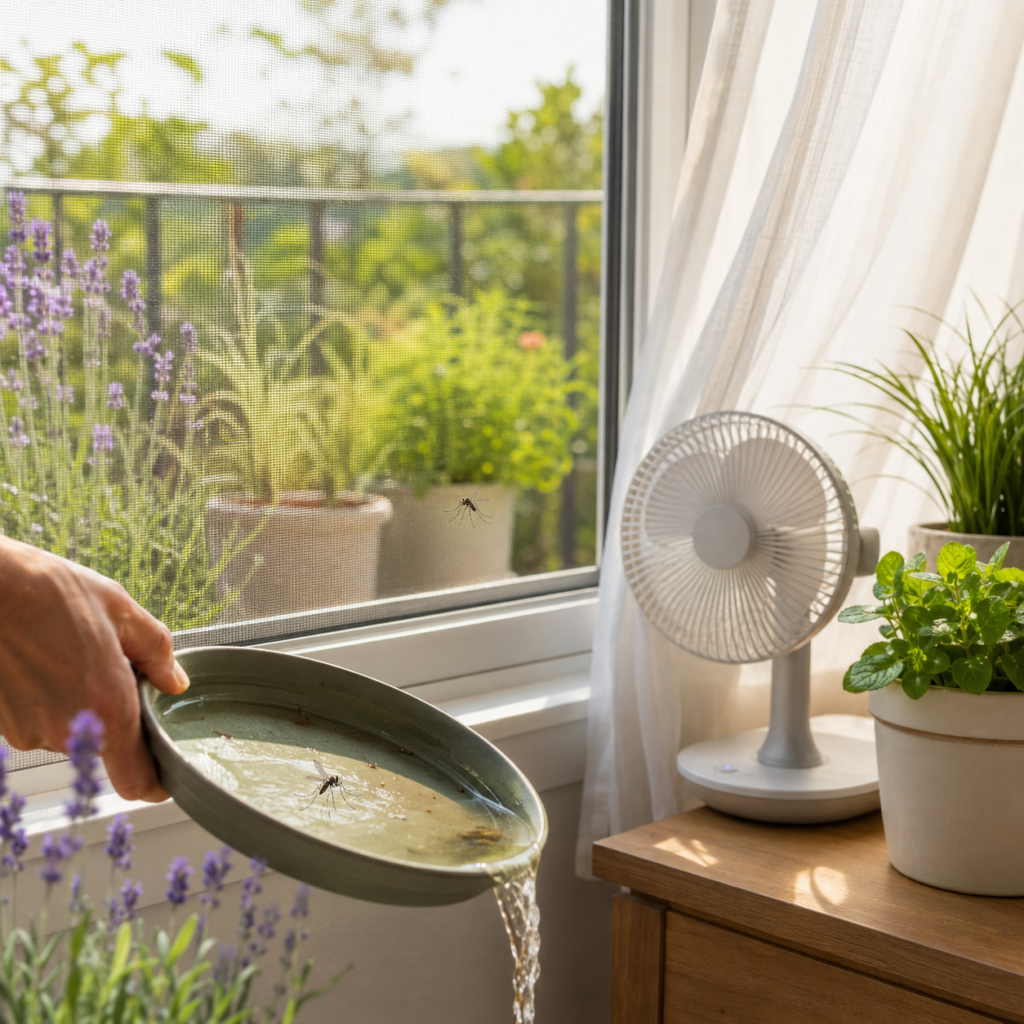
Baking soda is sometimes promoted as a mosquito remedy, but it doesn’t address the main reasons mosquitoes gather around a home.
What helps more:
- Remove standing water from saucers, buckets, and containers.
- Cover or properly manage rain barrels.
- Install screens on windows.
- Use fans in outdoor seating areas.
- Regularly inspect the garden for water-filled containers.
👉 The priority is preventing breeding sites and reducing mosquitoes’ access to your home.
🐌 Slugs and Snails: Avoid Spreading Baking Soda Around the Garden
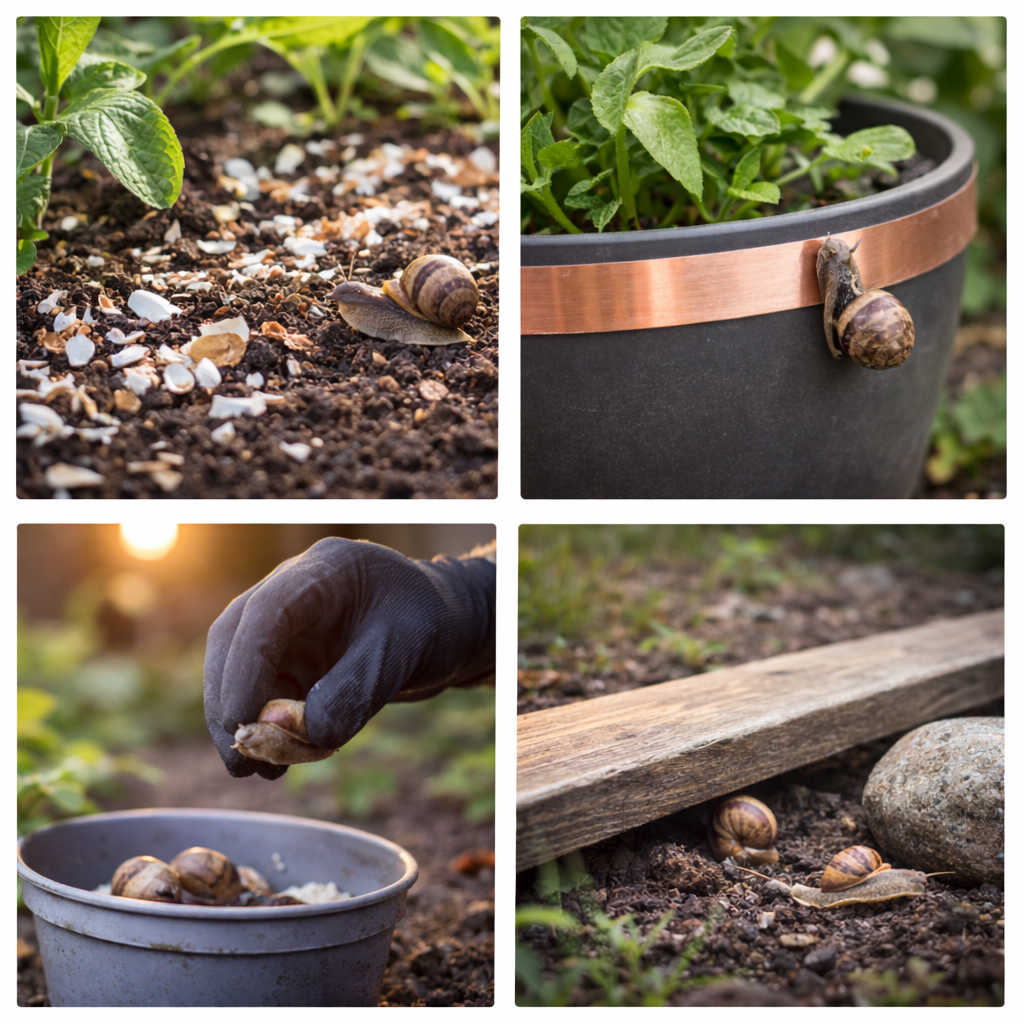
Baking soda is sometimes recommended because direct contact can harm slugs.
However, spreading significant quantities of sodium bicarbonate around plants isn’t a good garden strategy because it can alter soil conditions.
👉 Use gentler, targeted methods instead.
🌿 Better Alternatives
🟤 Copper Barriers
Copper barriers can be used around pots and raised beds.
👉 Make sure there are no gaps and that vegetation doesn’t create a bridge across the barrier.
🌙 Hand-Picking
✔️ One of the most direct methods
✔️ Particularly useful after rain
Check the garden in the evening or early morning and remove slugs manually.
💡 Additional Tips
✔️ Water in the morning rather than at night
✔️ Reduce unnecessary damp hiding places
✔️ Avoid overly dense planting where possible
👉 Less nighttime moisture can make the environment less favorable to slugs.
🐾 Fleas: Don’t Rely on Baking Soda Alone
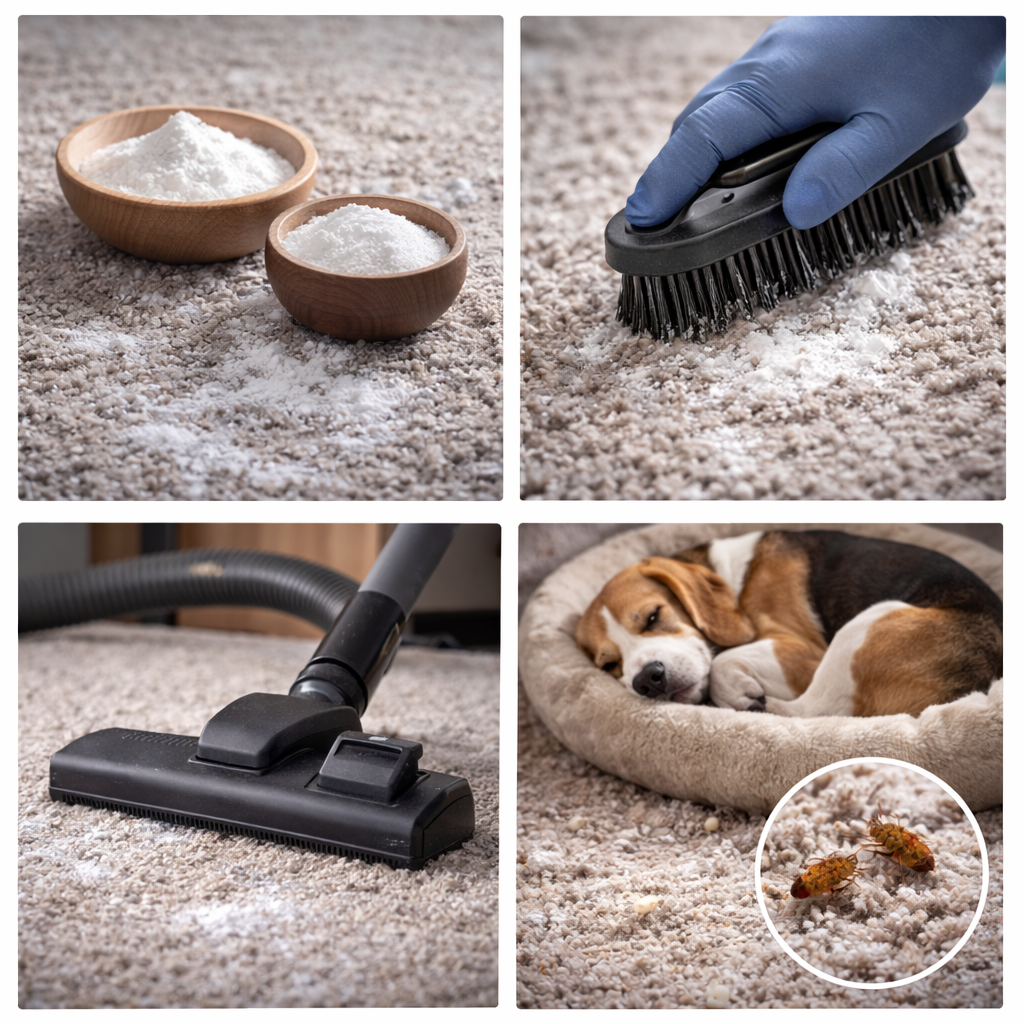
Baking soda and salt are frequently promoted as homemade flea treatments.
However, a flea infestation is more complicated because different life stages may be present in carpets, furniture, bedding, and on pets.
The most important measures are:
✔️ Vacuum carpets, cracks, and furniture thoroughly
✔️ Wash washable pet bedding according to care instructions
✔️ Clean sleeping areas regularly
✔️ Treat pets with an appropriate veterinarian-recommended flea product
👉 Without addressing the animal and the surrounding environment together, fleas can continue returning.
👕 Moths: Baking Soda Has Very Limited Use
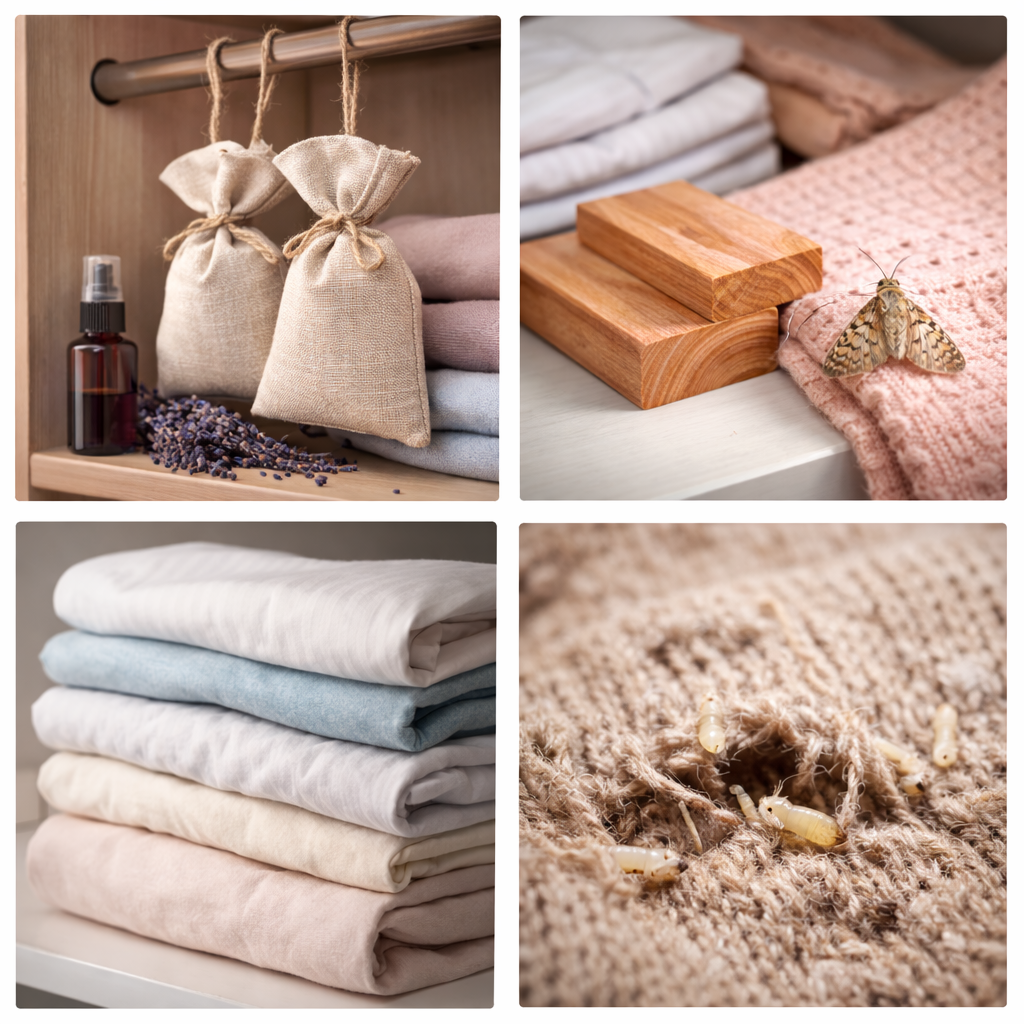
Baking soda may neutralize odors, but it doesn’t reliably eliminate clothes moths or their larvae.
🌿 What Helps More
🌸 Lavender
Lavender can be used primarily for fragrance and may have some repellent value, but it shouldn’t replace proper moth control.
🌲 Cedar
Cedar products are commonly used in closets, although their scent needs to remain strong to have any potential repellent effect.
👕 Clean & Dry Clothing
This is especially important:
- Wash clothing before long-term storage.
- Allow everything to dry completely.
- Store vulnerable seasonal clothing securely.
- Vacuum closets, corners, and cracks.
👉 If you already have an infestation, locate and remove the affected material rather than relying only on scented remedies.
🐟 Silverfish: Moisture Is the Real Problem
Silverfish thrive in warm, humid, dark locations, especially bathrooms, kitchens, basements, and poorly ventilated rooms.
Baking soda doesn’t address the main environmental conditions attracting them.
What helps:
- Ventilate regularly.
- Reduce humidity.
- Keep bathrooms and kitchens dry.
- Repair leaks.
- Seal cracks and gaps.
- Avoid storing paper, cardboard, and textiles in damp areas.
- Use monitoring traps where appropriate.
👉 For silverfish, the real strategy is less moisture, fewer hiding places, and better sanitation.
🐭 Mice and Rats: Baking Soda Is Not a Reliable Method
Baking soda is frequently promoted online as a homemade remedy for mice and rats.
👉 In reality, it shouldn’t be considered an effective rodent-control strategy.
🛡️ What Works Better
🔒 Seal Entry Points
✔️ Prevents new rodents from entering the home.
Inspect:
- Cracks
- Holes
- Gaps around pipes
- Doors
- Basements
- Kitchen areas
Use suitable rodent-resistant materials to seal openings.
🥫 Secure Food
✔️ Remove easy food sources.
- Store food in airtight containers.
- Don’t leave pet food out overnight.
- Clean crumbs and spills.
- Keep garbage properly contained.
🪤 Use Appropriate Traps
For an active rodent problem, properly placed mechanical traps can be far more dependable than homemade baking soda remedies.
Follow the manufacturer’s instructions and position traps where they cannot be accessed by children or pets.
👉 Prevention + exclusion + appropriate control are the keys.
🐛 Centipedes: Change the Environment Instead
Centipedes and similar crawling creatures are often found in places that are damp, dark, and undisturbed.
Baking soda doesn’t address those underlying conditions.
🛡️ What Really Helps
💧 Reduce Moisture
✔️ Wipe bathrooms and kitchens dry.
✔️ Repair leaking pipes or fixtures.
✔️ Consider a dehumidifier where necessary.
🌬️ Improve Ventilation
Ventilate bathrooms after showering and kitchens after cooking.
🔒 Seal Cracks and Gaps
Check:
- Walls
- Floors
- Baseboards
- Windows
- Doors
👉 Changing the environment is generally more useful than repeatedly applying a household powder.
⚠️ Common Mistakes When Using Baking Soda for Pest Control
Many homemade pest-control attempts fail because people:
❌ Use too much baking soda
❌ Skip cleaning and prevention
❌ Treat it as a complete solution
❌ Ignore moisture
❌ Leave food sources accessible
❌ Fail to seal entry points
👉 The result? The pests return.
🛡️ The Most Important Rule: Prevention Before Treatment
The biggest difference often comes not from the product you use, but from your everyday habits.
✔️ Ventilate regularly
✔️ Control excess moisture
✔️ Store food in airtight containers
✔️ Dispose of garbage regularly
✔️ Seal cracks and gaps
✔️ Clean spills and crumbs promptly
✔️ Remove standing water
These simple measures can dramatically reduce the conditions that attract pests.
🌿 Natural and Low-Chemical Alternatives to Baking Soda
Instead of using baking soda for every pest problem, choose a method based on the specific pest.
🌼 Diatomaceous Earth
Can be useful against certain crawling insects when used correctly. Always follow the product label and avoid inhaling the dust.
🌱 Neem Oil
Neem-based garden products can be useful against certain plant pests, such as aphids and mites. Use them according to the product instructions and avoid unnecessary application to beneficial insects.
🍋 Cleaning & Sanitation
For ants and many kitchen pests, removing food residue and cleaning trails can be more important than applying another substance.
🔒 Physical Exclusion
Screens, sealed cracks, closed food containers, copper barriers, and other physical methods can often provide more dependable results than DIY mixtures.
❓ FAQ – Frequently Asked Questions
Is baking soda safe around pets?
Small incidental household amounts are different from deliberately leaving piles or bait mixtures accessible. Don’t intentionally place baking soda where pets may ingest it.
Can you combine baking soda and vinegar?
They react with one another, producing carbon dioxide and largely neutralizing each other’s acidic and alkaline properties. The fizz can be useful for some cleaning applications, but the combination isn’t automatically more effective for pest control.
How quickly does baking soda work against pests?
There is no universal answer because baking soda isn’t a proven treatment for many of the pests commonly mentioned in viral household hacks.
Can baking soda be used in the garden?
Use caution. Large or repeated applications can affect soil chemistry, and baking soda shouldn’t be treated as an all-purpose garden pesticide.
🌟 Final Thoughts: Baking Soda Can Help — But It Isn’t a Miracle Pest Remedy
Baking soda is inexpensive, useful around the home, and worth keeping in the cupboard.
But when it comes to pest control, it shouldn’t be treated as a universal solution.
The most effective strategy usually combines:
✔️ Cleanliness
✔️ Prevention
✔️ Moisture control
✔️ Blocking entry points
✔️ Removing food sources
✔️ Pest-specific control methods
Often, it isn’t the strongest product that makes the biggest difference — it’s adopting the right habits and addressing the reason pests appeared in the first place.
👉 Follow these principles consistently and you’ll have a much better chance of keeping your home and garden comfortable without relying unnecessarily on harsh chemicals. 🌿✨