

Looking for a simple way to discourage unwanted insects from visiting your patio, garden, or outdoor furniture? You might already have a useful ingredient sitting in your kitchen cupboard: cinnamon! 🌿
Known for its warm, comforting aroma, cinnamon contains natural compounds that have attracted scientific interest for their insect-repelling properties.
But can a homemade cinnamon spray really keep mosquitoes, ants, flies, and other bugs away?
The answer is a little more complicated than many viral gardening tricks suggest.
In this guide, you’ll discover how to make a DIY cinnamon spray using just three ingredients, where you can try it, what science says about its effectiveness, and the important precautions to follow.
You’ll also discover five natural alternatives that can offer more dependable insect control, depending on the pests you’re dealing with.
🌿 Why Do People Use Cinnamon to Repel Bugs?
Cinnamon isn’t just a popular baking spice. It contains aromatic compounds, particularly cinnamaldehyde, which give it its distinctive smell.
Researchers have investigated cinnamon extracts and essential oils for their potential insecticidal and repellent effects.
Some laboratory studies have found activity against certain insect species. However, those results don’t necessarily mean that a homemade cinnamon infusion will produce the same effects.
That’s because cinnamon essential oil, concentrated extracts, and cinnamon-infused water are very different preparations.
An ordinary water-based spray may contain relatively small or inconsistent amounts of the compounds responsible for these effects.
Still, if you enjoy experimenting with simple household ingredients, cinnamon water can be an inexpensive outdoor trial—as long as you understand its limitations.
🧴 How to Make DIY Cinnamon Spray for Bugs

This recipe is inspired by a traditional cinnamon-water preparation. It requires no essential oils, harsh cleaning chemicals, or complicated equipment.
Ingredients
- 4 cups (approximately 950 ml) of water
- 2 tablespoons of ground cinnamon
- 2 cinnamon sticks
- 1 saucepan
- 1 fine strainer or coffee filter
- 1 clean spray bottle
Step-by-Step Instructions
Step 1: Heat the water
Pour four cups of water into a saucepan and bring it to a boil.
Step 2: Add the cinnamon
Turn off the heat. Add two tablespoons of ground cinnamon and two cinnamon sticks to the hot water.
Stir gently to distribute the spice.
Step 3: Let it steep
Cover the saucepan and allow the cinnamon mixture to steep for approximately two hours.
During this time, some of the cinnamon’s water-soluble components and aromatic substances will enter the water.
Step 4: Strain carefully

Once the liquid has cooled, pour it through a fine strainer or coffee filter.
Remove as much cinnamon powder as possible to prevent the spray nozzle from becoming clogged.
Step 5: Transfer to a spray bottle
Pour the cooled, filtered liquid into a clean spray bottle.
Your homemade cinnamon-water spray is ready for a small outdoor test!
Important: This is an experimental household preparation, not a scientifically validated insect repellent.
🐜 Which Bugs Might Cinnamon Spray Help With?
Different insects respond differently to odors and plant-derived substances. Here’s what you should know before expecting results.
1. Ants
Ants rely heavily on chemical trails to communicate and find food.
Strong odors can sometimes interfere with their movement, and certain cinnamon-derived compounds have shown activity against insects in research settings.
However, there is little reliable evidence that this particular homemade cinnamon-water recipe consistently disrupts ant trails.
Try this instead for dependable control: clean food residues, seal entry points, and use appropriate ant bait when necessary.
2. Mosquitoes
Cinnamon-derived compounds have been studied for their effects on mosquitoes, including certain larval stages.
But that doesn’t establish that spraying cinnamon tea around a patio will prevent mosquito bites.
For reliable protection, use a registered mosquito repellent according to its label and remove standing water where mosquitoes breed.
3. Flies
Flies can react to strong odors, and some plant-based extracts are being studied as potential deterrents.
Unfortunately, there isn’t enough evidence to promise that a homemade cinnamon infusion will keep flies away from outdoor tables.
Keeping food covered, removing waste promptly, and using physical screens are more dependable strategies.
4. Fungus Gnats
Tiny fungus gnats are common around damp potting soil.
Although cinnamon is sometimes promoted as a natural solution, cinnamon-water spray has not been established as an effective treatment for fungus gnat infestations.
A more reliable approach is to reduce excessive soil moisture, use yellow sticky traps to monitor adults, and consider a labeled Bacillus thuringiensis israelensis (Bti) treatment for larvae.
🏡 Where Can You Try Cinnamon Spray?

If you’d like to experiment with the preparation, choose a small, inconspicuous outdoor area first.
Outdoor Furniture
You can test a small amount on a washable, water-resistant surface.
Allow it to dry and check for staining or residue before using it more widely.
Avoid untreated wood, delicate fabrics, and porous materials that may absorb the colored liquid.
Patios and Balconies
Try applying a little spray to a small section of a compatible outdoor surface.
Remember that the cinnamon aroma may fade quickly, especially after rain or cleaning.
Around Potted Plants
Use extra caution near plants.
Even natural substances can cause leaf spotting, irritation, or other unwanted effects depending on the plant species and concentration.
Avoid spraying flowers, tender leaves, seedlings, and edible plant parts. If you choose to test the mixture on a plant, apply it to one small area first and observe it for 24–48 hours.
Never assume that a homemade spray is safe for every plant simply because its ingredients are natural.
🔬 Does Science Support Cinnamon as an Insect Repellent?
There is genuine scientific interest in cinnamon-derived compounds.
Cinnamaldehyde and other constituents of cinnamon essential oil have demonstrated insecticidal or repellent activity under certain experimental conditions.
A scientific review discussing the biological properties of cinnamon essential oils is available through the National Library of Medicine.
However, three important distinctions matter:
1. Concentration matters. Research often uses carefully measured concentrations of essential oils or purified compounds.
2. The insect species matters. A substance that affects one species may have little effect on another.
3. The formulation matters. An oil-based laboratory product may behave very differently from cinnamon steeped in water.
Therefore, the evidence supporting cinnamon-derived insect-control ingredients should not be interpreted as proof that this homemade spray works reliably.
🌱 5 Natural Alternatives That Can Work Better Than Cinnamon Spray
If cinnamon water doesn’t deliver the results you’re hoping for, don’t worry. There are several other options worth considering.
The secret is choosing the right method for the insect you want to control.
Some alternatives work directly on garden pests, while others help prevent mosquitoes or indoor insects.
🧼 1. Potassium Soap Spray for Aphids and Soft-Bodied Insects
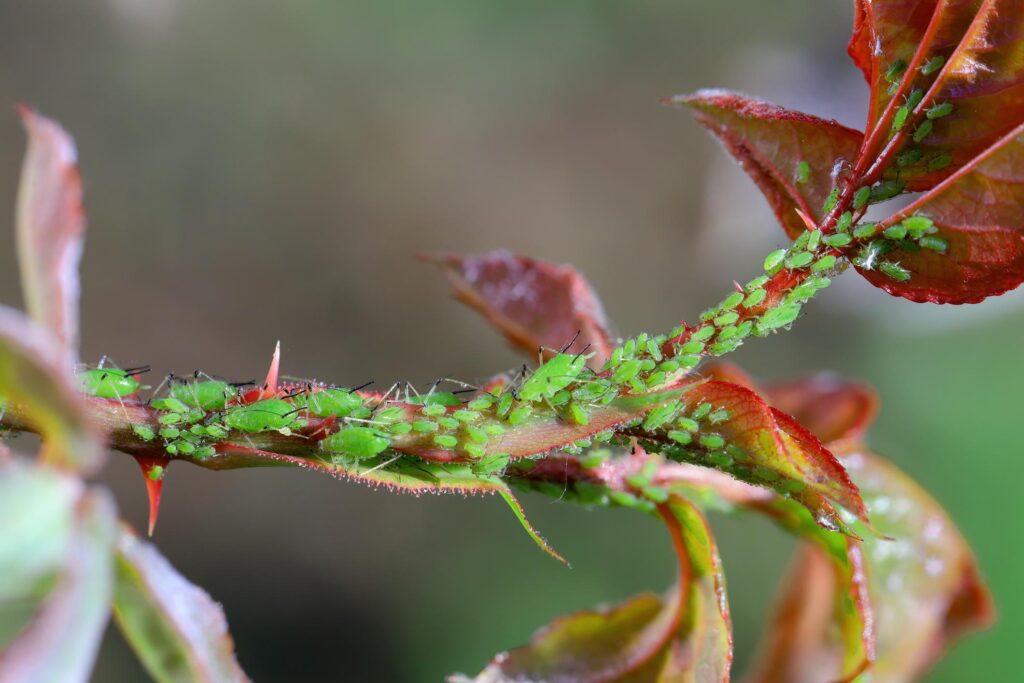
Best for: Aphids, whiteflies, mealybugs, and certain other soft-bodied plant pests.
Insecticidal soap is one of the more dependable options for managing certain garden insects.
Unlike cinnamon water, properly formulated insecticidal soaps work by contacting and disrupting vulnerable insects.
What you’ll need:
- A potassium-salt insecticidal soap labeled for use on plants
- Clean water, if the product requires dilution
- A garden sprayer
How to use it:
- Check the product label for the correct dilution and permitted plants.
- Prepare the spray according to the manufacturer’s instructions.
- Apply directly to the affected insects, including those hiding underneath leaves.
- Follow the label’s guidance on repeat applications.
Why it can work: Insecticidal soap acts primarily through direct contact. It does not generally provide long-lasting protection after drying.
Important: Ordinary dishwashing liquid is not the same as a formulated insecticidal soap. Avoid homemade dish-soap mixtures, which can damage leaves.
🌿 2. Neem-Based Garden Spray

Best for: Certain aphids, whiteflies, mites, and other plant pests, depending on the formulation.
Neem comes from the neem tree, Azadirachta indica.
Some neem-derived products contain azadirachtin, a substance that can interfere with insect feeding and development. Other neem-oil formulations act mainly through physical contact.
What you’ll need:
- A neem-based product specifically labeled for garden pest control
- Water, if dilution is required
- A suitable garden sprayer
How to use it:
- Identify the insect affecting your plants.
- Choose a neem product labeled for that pest and plant.
- Mix it according to the label.
- Apply to the affected areas as directed.
- Repeat only at the recommended intervals.
Why it can work: Certain neem formulations have documented activity against selected garden pests.
Important: Avoid spraying open flowers or visiting pollinators. Neem products can also damage sensitive plants, particularly under unfavorable temperature or sunlight conditions.
Never assume that concentrated neem oil is safe to use undiluted.
🦟 3. Bti for Mosquito Larvae and Fungus Gnats
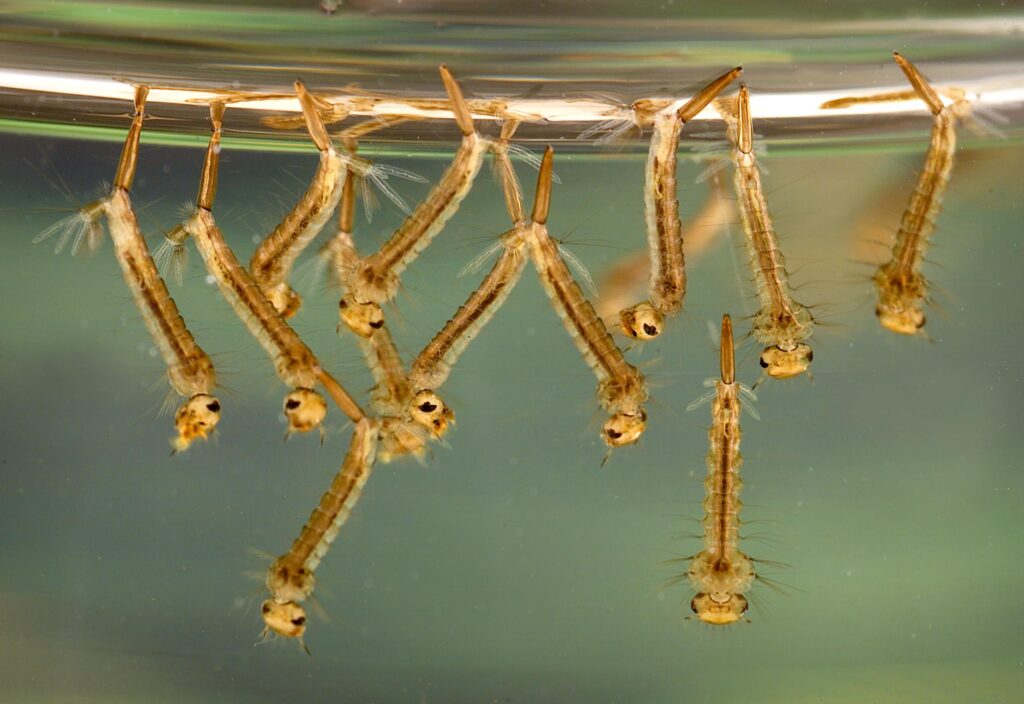
Best for: Mosquito larvae in standing water and fungus gnat larvae in potting soil, when the product is labeled for those uses.
Bti stands for Bacillus thuringiensis israelensis, a naturally occurring bacterium used in certain biological insect-control products.
It is a targeted option rather than a general-purpose insect spray.
What you’ll need:
- A Bti product labeled for the intended pest and application
- Water or the treatment area specified on the label
How to use it:
- Identify where the larvae are developing.
- Select a Bti product approved for that setting.
- Apply the recommended amount.
- Repeat only as directed.
Why it can work: Bti produces proteins that affect susceptible insect larvae when ingested.
Important: Bti does not repel adult mosquitoes and should not be sprayed on skin. Emptying unnecessary standing water remains the first step in mosquito prevention.
🍋 4. Oil of Lemon Eucalyptus Repellent for Mosquitoes
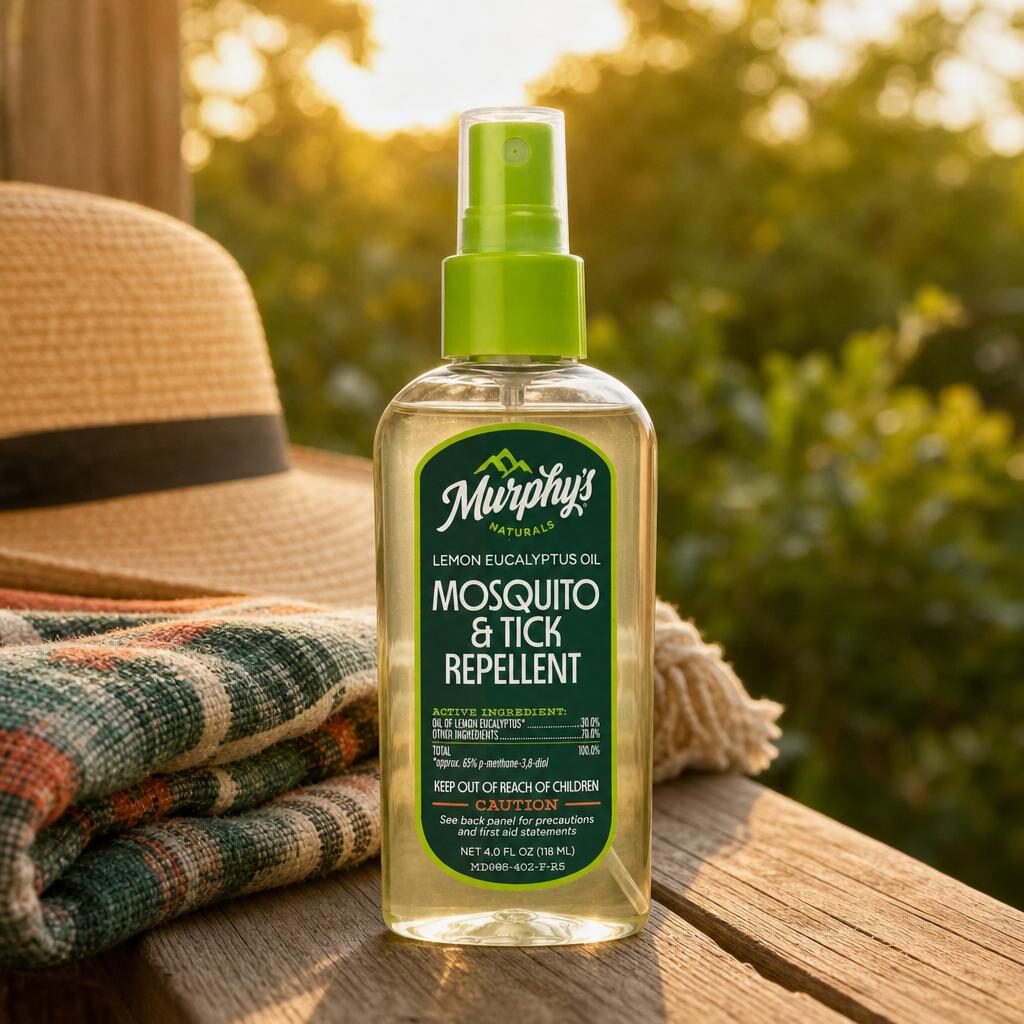
Best for: Protecting people against mosquito bites.
If your biggest problem is mosquitoes, this option is much more appropriate than cinnamon water applied to your skin.
Oil of lemon eucalyptus (OLE) and its repellent component PMD are used in certain commercially formulated insect repellents.
What you’ll need:
- A registered insect repellent containing OLE or PMD
How to use it:
- Choose a registered product with clear application instructions.
- Apply it only as directed on the label.
- Follow the recommended reapplication schedule.
- Observe all age restrictions and other safety precautions.
Why it can work: Properly formulated OLE/PMD repellents have evidence supporting their ability to reduce mosquito bites.
Important: OLE repellent is not the same as ordinary lemon eucalyptus essential oil. Do not attempt to make a skin repellent by mixing essential oils with water or alcohol.
In the United States, CDC guidance advises against using OLE/PMD repellents on children younger than three years.
🐜 5. A Simple Soap-and-Water Cleaning Method for Ant Trails
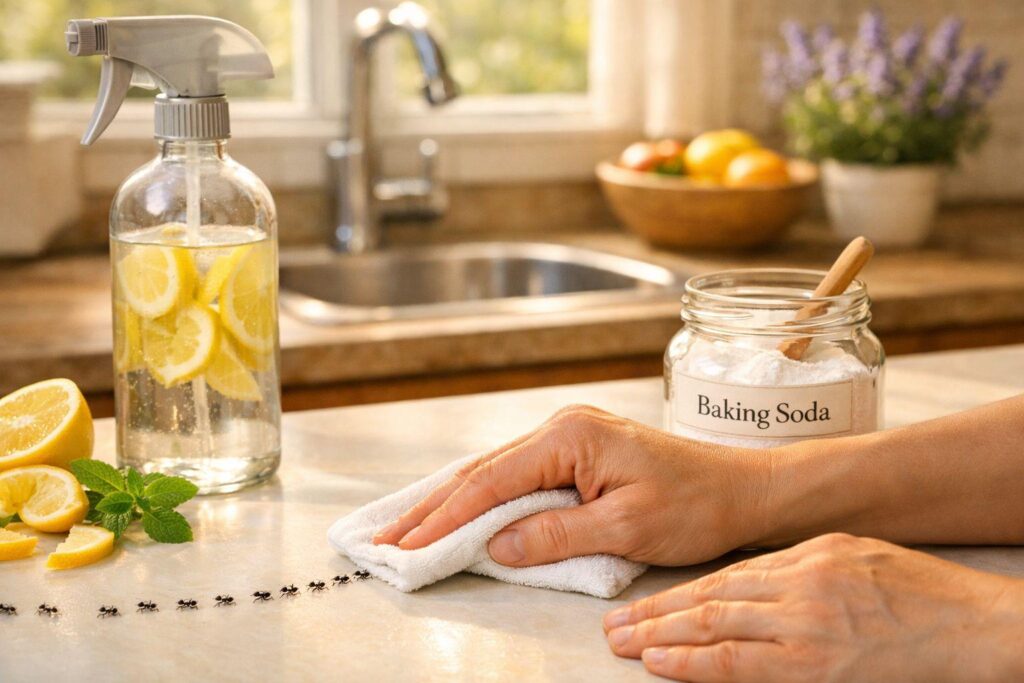
Best for: Removing visible ant trails from washable indoor surfaces.
Not every insect problem requires an insecticide.
When ants enter a kitchen, they often follow scent trails left by other ants.
Cleaning those trails can help interrupt their movement.
What you’ll need:
- 2 cups of warm water
- A few drops of mild dishwashing liquid
- A microfiber cloth
How to use it:
- Mix the water and dishwashing liquid in a small bowl.
- Dampen the cloth with the mixture.
- Wipe the surfaces where ants have been traveling.
- Remove crumbs, sticky spills, and other food residues.
- Rinse or wipe the surface as appropriate and dry it.
- Look for entry points that can be sealed.
Why it can work: Cleaning removes food residues and can disrupt the chemical trails ants use to navigate.
Important: This is a surface-cleaning method, not a spray for plants, skin, pets, or insects. It will not necessarily eliminate an established ant colony.
For persistent indoor ant problems, appropriate ant baits may provide more reliable colony control.
🌿 Which Natural Alternative Should You Choose?
The best choice depends on the pest:
| Your problem | Better option to consider |
|---|---|
| Aphids on garden plants | Labeled insecticidal potassium soap |
| Whiteflies or certain mites | Suitable insecticidal soap or neem formulation |
| Mosquito larvae in standing water | Bti and water-source removal |
| Fungus gnats in potted plants | Moisture management and labeled Bti |
| Mosquito bites outdoors | Registered OLE/PMD repellent |
| Ant trails in the kitchen | Soap-and-water cleaning and sealing entry points |
The key takeaway: A targeted treatment is generally more dependable than a single homemade mixture advertised for every type of bug.
⚠️ Important Safety Precautions
Before making or using DIY cinnamon spray, keep these recommendations in mind.
- Do not spray it on your skin. Homemade cinnamon mixtures are not validated mosquito repellents and may cause irritation or allergic reactions.
- Do not add dish soap or rubbing alcohol for skin application. These ingredients can irritate or dry out the skin.
- Avoid contact with eyes and sensitive areas.
- Keep the spray away from pets, especially areas where they may lick or ingest the liquid. Do not spray it directly on animals.
- Test surfaces first. Cinnamon can leave colored residue or stains.
- Do not use it as a substitute for proven pest-control methods, particularly where insects pose a health risk.
- Prepare small batches. Since this homemade mixture contains no preservative, its shelf life is not established. Refrigerate it promptly, use it soon, and discard it if it becomes cloudy, develops an unusual smell, or shows signs of spoilage.
Even natural insect-control products can be hazardous if misused. Always follow the label instructions of any commercial product.
🌱 Other Natural Ways to Reduce Bugs Around Your Home
If your main goal is to enjoy a more comfortable outdoor space, several practical habits may work better than relying on a cinnamon spray alone.
Remove Standing Water
Mosquitoes can breed in surprisingly small amounts of stagnant water.
Empty plant saucers, buckets, and other containers regularly.
Keep Outdoor Eating Areas Clean
Wipe tables, remove food scraps, and keep rubbish bins covered to discourage flies and ants.
Seal Entry Points
Check around windows, doors, and utility openings for small gaps that allow insects indoors.
Improve Drainage Around Potted Plants
Overly damp potting soil can encourage fungus gnats. Water according to each plant’s needs and avoid leaving pots constantly saturated.
Use Physical Barriers
Window screens, door screens, and mosquito netting can provide effective protection without applying substances to the skin or surrounding surfaces.
❓ Frequently Asked Questions
Does cinnamon spray really repel mosquitoes?
Some cinnamon-derived substances have demonstrated activity against mosquitoes in scientific studies. However, there is insufficient evidence that homemade cinnamon-water spray reliably prevents mosquito bites.
Can I spray cinnamon water directly on plants?
It is better not to apply it broadly. Test a small area first, avoid sensitive plants, and stop if any discoloration or damage appears.
How often should I apply cinnamon spray?
There is no scientifically established application schedule for this homemade recipe. Repeated spraying does not guarantee better insect control and may increase residue or plant damage.
Can I use cinnamon essential oil instead?
Cinnamon essential oil is much more concentrated than cinnamon water and can irritate skin, damage some surfaces, and present risks to pets. It should not be substituted directly into this recipe.
Does cinnamon spray kill ants?
There is no reliable evidence that this homemade infusion eliminates ant colonies. If ants are entering your home, removing food sources, sealing entry points, and using appropriate ant bait are generally more effective.
Can I use this spray indoors?
It is not recommended as a general indoor insect treatment. The mixture may stain surfaces, leave residue, and introduce moisture. Use targeted, proven methods for the specific pest instead.
How long does homemade cinnamon spray last?
There is no validated shelf life for this recipe. Because it contains water and plant material without preservatives, make only a small amount, refrigerate promptly, and discard leftovers soon rather than storing them for weeks.
What natural spray works better than cinnamon water for aphids?
A properly formulated potassium-salt insecticidal soap is generally a more dependable choice for aphids because it has a documented contact action against these pests.
Is neem oil better than cinnamon spray?
For certain garden pests, a suitable neem-based pesticide has stronger supporting evidence than homemade cinnamon water. Its effectiveness depends on the formulation, target insect, and correct application.
What is the best natural solution for mosquitoes?
Removing breeding sites is essential. Bti can control larvae in suitable water sources, while registered OLE/PMD repellents can help protect people against bites.
🌿 Final Thoughts: Is DIY Cinnamon Spray Worth Trying?
Cinnamon is a fascinating kitchen ingredient with compounds that researchers are investigating for insect-control applications.
Making cinnamon-infused water is simple, inexpensive, and easy to experiment with on a small, compatible outdoor surface.
But it’s important to keep expectations realistic.
A homemade cinnamon spray is not a proven solution for mosquitoes, ants, flies, or fungus gnats. Its effects may be weak, temporary, or absent.
If you enjoy natural household experiments, this recipe may be worth exploring cautiously.
For more dependable results, choose an alternative based on the actual insect: insecticidal soap for aphids, suitable neem products for selected plant pests, Bti for susceptible larvae, or registered mosquito repellents for personal protection.
The best natural bug-control strategy isn’t one miracle ingredient—it’s choosing the right solution for the right pest.