
Rubbing alcohol is one of those inexpensive household products that seems to have an endless number of uses. It evaporates quickly, can dissolve certain residues, and is useful for disinfecting some hard surfaces when used correctly.
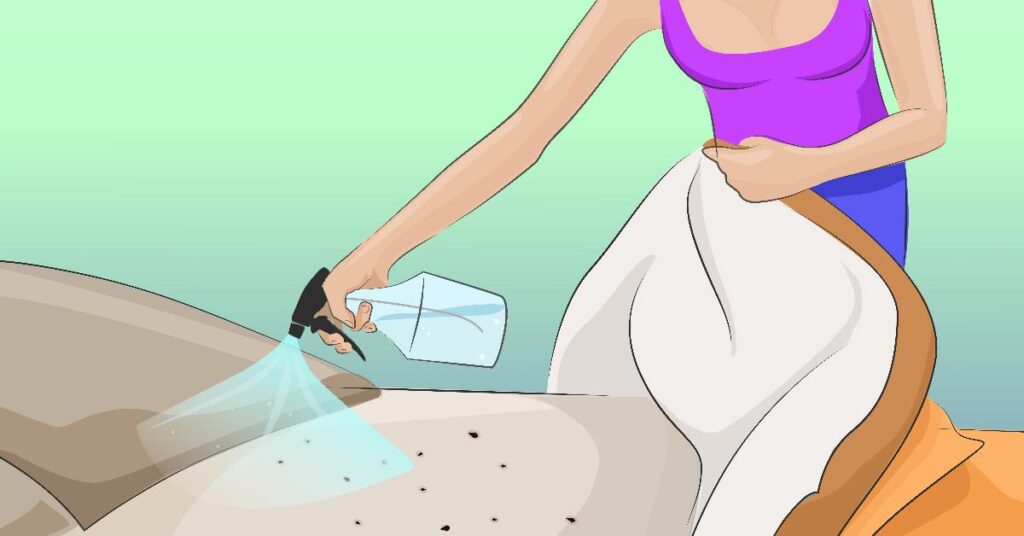
That’s probably why a viral household trick has attracted so much attention: spraying rubbing alcohol on your mattress to get rid of bed bugs.
But does it really work?
The answer is more complicated than many viral posts suggest. Alcohol can kill some insects when it contacts them directly, but spraying your mattress with rubbing alcohol is not a safe or reliable way to eliminate bed bugs. Alcohol is highly flammable, evaporates rapidly, and won’t necessarily reach insects or eggs hiding deep inside cracks and furniture.
So instead of covering your bed with alcohol, let’s look at what rubbing alcohol can actually do around the home—and which popular hacks are better avoided.
🛏️ 1. Can Rubbing Alcohol Really Kill Bed Bugs?
This is probably the most controversial rubbing-alcohol hack.
Alcohol may kill some bed bugs when it comes into direct contact with them, but that doesn’t make it an effective treatment for an infestation.
Bed bugs are excellent at hiding. They can shelter in:
- Mattress seams
- Bed frames
- Baseboards
- Furniture joints
- Cracks and crevices
- Behind wall fixtures
A spray applied to the visible surface of a mattress won’t necessarily reach these hiding places.
Even more importantly, rubbing alcohol is flammable. Applying large quantities to mattresses, sheets, upholstered furniture, carpets, or other absorbent materials can create an unnecessary fire risk.
❌ Don’t soak your mattress in alcohol
Avoid spraying rubbing alcohol extensively over your bed, mattress, pillows, curtains, carpets, or upholstered furniture.
It isn’t a dependable substitute for proper bed-bug treatment.
✅ What should you do instead?
If you suspect bed bugs, start by confirming that bed bugs are actually the problem.
Wash appropriate bedding and clothing and dry them using temperatures permitted by their care labels. Vacuum mattress seams, bed frames, cracks, and surrounding areas carefully, then dispose of the vacuum contents appropriately.
Bed-bug-proof mattress and box-spring encasements can also be useful as part of a broader control strategy.
For an established infestation, professional pest-control treatment is often the most dependable option.
🧴 2. Removing Sticky Residue
Here’s a rubbing-alcohol use that’s much more practical.
Labels, stickers, tape and price tags can sometimes leave stubborn adhesive behind on hard surfaces.
A little rubbing alcohol may help dissolve certain adhesives.
How to try it
Apply a small amount to a cloth or cotton pad and gently rub the residue.
Allow it to work briefly before wiping the surface clean.
⚠️ Always test first. Alcohol can discolor or damage some plastics, painted surfaces, varnishes, wood finishes and other delicate materials.
Never assume that because alcohol works on glass, it will be safe on every other surface.
✒️ 3. Tackling Some Ink Stains
Rubbing alcohol can also help loosen certain ink stains because some inks are soluble in alcohol.
For washable fabrics, place a clean cloth or paper towel underneath the stain and carefully blot rather than aggressively rubbing it.
Then wash the garment according to its care label.
Important
Test the alcohol on an inconspicuous area first because it can affect certain dyes and fabrics.
And don’t put the garment in the dryer until you’ve checked the stain. Heat can make some stains considerably harder to remove.
🪟 4. Cleaning Certain Glass Surfaces
Rubbing alcohol evaporates quickly, which can make it useful when cleaning some glass surfaces.
A small amount applied appropriately can help remove:
✔️ Fingerprints
✔️ Greasy marks
✔️ Some sticky residues
But there’s an important limitation.
Don’t automatically use alcohol on coated screens, televisions, computer monitors, eyeglasses, or specialty glass. Some coatings can be damaged by inappropriate cleaners.
Follow the manufacturer’s cleaning instructions whenever you’re dealing with electronics or coated surfaces.
🧼 5. Disinfecting Suitable Hard Surfaces
Rubbing alcohol can be useful for disinfecting certain small, hard, nonporous surfaces when the correct alcohol concentration and contact time are used.
But simply spraying alcohol and immediately wiping it away doesn’t necessarily provide effective disinfection.
The surface should first be visibly clean, and you should follow the instructions on the alcohol or disinfectant product you’re using.
Also remember:
More concentrated doesn’t automatically mean better.
Appropriate concentrations are important for effective disinfection.
⚠️ Keep rubbing alcohol away from flames, sparks, cigarettes, hot surfaces and other ignition sources.
👟 6. Freshening Certain Odor-Prone Items
Because alcohol can reduce some odor-producing microorganisms and evaporates rapidly, people sometimes use small amounts on suitable hard or washable items.
However, don’t treat this as a universal deodorizer.
Before applying it to shoes, fabrics or other materials, test a hidden area first. Alcohol may damage adhesives, coatings, dyes and synthetic materials.
For washable fabrics, ordinary washing is generally the better first choice.
❄️ 7. Making a Reusable DIY Cold Pack
One of the better-known household uses involves making a flexible freezer pack.
A mixture containing water and rubbing alcohol may remain slushy at freezer temperatures rather than becoming completely solid.
However, this hack requires caution.
The liquid must never be consumed, and a leaking bag can expose skin or household surfaces to alcohol.
If you make a homemade cold pack, use a durable, leak-resistant freezer bag—preferably double-bagged—and label it clearly:
NOT FOR DRINKING
Keep it securely away from children and pets.
When using any cold pack against your body, wrap it in a cloth rather than placing an extremely cold pack directly against bare skin for prolonged periods.
🚫 3 Viral Rubbing-Alcohol Hacks You Should Avoid
Some popular alcohol hacks sound clever but aren’t good everyday recommendations.
❌ Using rubbing alcohol as deodorant
Alcohol can temporarily reduce bacteria associated with body odor, but it can also dry and irritate your skin.
The risk of irritation may be particularly noticeable after shaving or when the skin is already sensitive.
A product specifically formulated for underarm use is the better option.
❌ Putting rubbing alcohol on acne
This is another viral beauty trick worth skipping.
Rubbing alcohol can remove oil from the skin, which might initially make acne-prone skin feel cleaner.
But excessive drying and irritation can damage the skin barrier.
Products formulated specifically for acne-prone skin are much more appropriate than repeatedly applying rubbing alcohol directly to pimples.
❌ Spraying rubbing alcohol on your scalp for head lice
Don’t use rubbing alcohol as a DIY head-lice treatment.
It can irritate the scalp and eyes, its vapors can be unpleasant, and it isn’t a sensible substitute for treatments specifically intended to manage head lice.
Use an approved lice treatment according to its instructions and carefully follow recommended combing and repeat-treatment procedures when applicable.
💅 What About Removing Nail Polish?
Technically, rubbing alcohol may loosen some types of nail polish, but it’s usually slower and less effective than a product formulated specifically for removing polish.
The claim that alcohol is automatically gentler than ordinary nail-polish remover is also misleading.
Both alcohol and acetone-containing products can dry the skin and nails.
If you use nail-polish remover frequently, moisturizing your hands and cuticles afterward can help counter dryness.
⚠️ Rubbing Alcohol Safety Rules You Should Know
Rubbing alcohol is useful precisely because it’s a powerful solvent—but that also means it deserves some respect.
Keep these precautions in mind:
🔥 Keep it away from fire and heat. Alcohol and its vapors are flammable.
🚫 Never drink rubbing alcohol. It’s not the same as alcoholic beverages and can be toxic if swallowed.
👁️ Keep it away from your eyes.
🌬️ Use it in a well-ventilated space, especially when using more than a tiny amount.
👶 Store it away from children and pets.
🧴 Don’t routinely apply it over large areas of skin.
🧪 Don’t randomly mix household chemicals. Combining cleaning products can create dangerous reactions or fumes.
And always follow the directions and warnings printed on the specific product you purchased.
🐞 What Actually Works Better for Bed Bugs?
If bed bugs are the reason you originally reached for the alcohol bottle, concentrate on methods that address the entire infestation rather than trying to kill individual visible bugs.
A combination of careful inspection, laundering and drying appropriate items, vacuuming, mattress encasements, reducing clutter, monitoring, and properly selected pest-control methods is much more sensible.
Bed bugs can be difficult to eliminate because they hide extremely well and can spread beyond the mattress.
If you’re repeatedly finding live bugs, eggs, shed skins, or characteristic spotting around the sleeping area, professional pest-control assistance may save considerable time and frustration.
💡 So, Should You Keep Rubbing Alcohol at Home?
Absolutely—it can still be an extremely handy household product.
The key is using it for jobs it actually performs well instead of assuming every viral trick is safe.
It can be particularly useful for:
- Removing some adhesives
- Treating certain ink residues
- Cleaning appropriate hard surfaces
- Disinfecting suitable nonporous surfaces when used correctly
- Removing certain greasy residues
- Creating a carefully contained flexible cold pack
That’s already plenty of usefulness from one inexpensive bottle. 😊
❓ Frequently Asked Questions
Does rubbing alcohol kill bed bugs?
It may kill some bed bugs when they are directly exposed to it, but it isn’t a reliable way to eliminate an infestation. Bed bugs hide in areas a simple spray won’t reach, and alcohol presents a serious flammability concern.
Can I spray rubbing alcohol on my mattress?
It’s better not to recommend this practice. Spraying a large fabric surface with a flammable liquid can create a fire hazard and isn’t an effective comprehensive bed-bug treatment.
Does alcohol kill bed-bug eggs?
Don’t rely on rubbing alcohol to control bed-bug eggs. Effective bed-bug management needs to address bugs and eggs throughout their hiding places.
Can rubbing alcohol remove sticker residue?
Often, yes. It can dissolve some adhesives, but test the surface first because alcohol can damage certain finishes, plastics and paints.
Can rubbing alcohol remove ink?
It can help with certain inks and fabrics. Always perform a hidden-area test first and follow the garment’s care instructions.
Can I put rubbing alcohol on acne?
It’s generally better to use skincare products specifically formulated for acne. Rubbing alcohol can excessively dry and irritate the skin.
Can I use rubbing alcohol for head lice?
Don’t use it as a DIY lice treatment. Choose a treatment specifically intended for head lice and follow its instructions.
Is rubbing alcohol flammable after it dries?
The major fire risk exists while the alcohol and its vapors are present. This is one reason it should never be sprayed extensively around mattresses, bedding, furniture, flames or ignition sources.
🌟 Final Thoughts
The viral claim that spraying your bed with alcohol will make bed bugs disappear contains a small piece of truth wrapped in a potentially dangerous recommendation.
Alcohol can affect insects it directly contacts, but that doesn’t mean spraying your mattress is a good bed-bug treatment. Its flammability alone is an important reason not to soak beds or furniture with it.
Rubbing alcohol still deserves a place in the household cabinet. Used correctly, it can tackle adhesive residue, certain stains and appropriate hard-surface cleaning jobs surprisingly well.
The trick is knowing where alcohol helps—and where another solution is safer and more effective. 🏡✨