
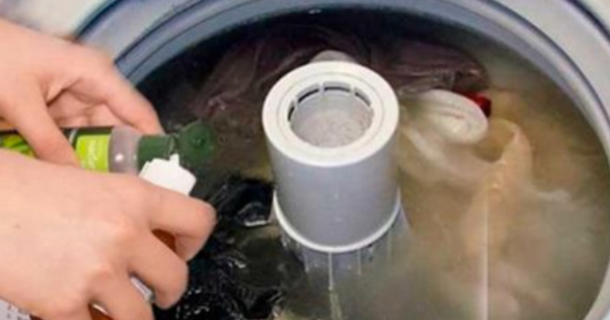
White shirts, towels and bed linens look wonderful when they’re bright and fresh. Unfortunately, after repeated washing, whites can gradually become gray, yellow or dull.
Sweat, body oils, detergent residue, hard-water minerals and stains can all contribute to the problem. And while commercial whiteners are available, there are also several inexpensive household ingredients worth trying.
But not every viral laundry hack works as advertised. Here are the methods that make the most sense—and how to use them without damaging your clothes.
🧂 1. Baking Soda for Dull and Odorous Whites
Baking soda is one of the simplest ingredients to add to your laundry routine.
It doesn’t bleach fabric in the same way as chlorine bleach, but it can help with odors and general laundry freshness and may support your regular detergent.
How to use it
For heavily soiled washable whites, you can prepare a presoak:
About 4 liters of warm water
½ to 1 cup of baking soda
Dissolve the baking soda completely, add the garments and allow them to soak for several hours or overnight.
Afterward, wash them normally according to the garment’s care label.
💡 Good for:
✔️ White T-shirts
✔️ Socks
✔️ Towels
✔️ Bed linen
✔️ Washable cotton garments
Always check the care label first, particularly with delicate fabrics.
🍋 2. Lemon Juice for Naturally Brighter Whites
Lemon juice contains citric acid, which is why it frequently appears in traditional laundry tips.
It can be useful for refreshing some washable white fabrics and dealing with certain mineral deposits or mild discoloration.
Simple lemon soak
Add roughly ½ cup of lemon juice to a basin of warm water.
Soak suitable white garments for around 1–2 hours, then wash them normally.
For stubborn discoloration, a longer soak may be useful, provided the fabric’s care instructions allow it.
⚠️ Be careful
Acids aren’t appropriate for every material. Avoid experimenting on delicate fabrics without checking their care instructions first.
And remember: lemon juice is not a universal stain remover. Different stains require different treatments.
🥛 3. White Vinegar for Detergent and Mineral Residue
Sometimes whites don’t look dull because they’re permanently stained.
The problem can be residue.
Hard-water minerals and excessive detergent or fabric softener can accumulate in fibers and make towels and clothing feel stiff or look less fresh.
White vinegar can sometimes help remove this buildup.
How to use it
For suitable machine-washable laundry, approximately ½ cup of distilled white vinegar can be used during the rinse cycle.
Don’t pour vinegar directly onto delicate clothing without checking the fabric first.
An extra benefit
Vinegar can also help towels feel fresher when detergent or fabric-softener buildup is contributing to stiffness.
⚠️ Follow your washing-machine manufacturer’s instructions, because some manufacturers discourage frequent use of acidic products in certain machines.
💊 4. What About the Viral Aspirin Trick?
You may have seen this popular tip:
Crush several aspirin tablets, dissolve them in water and soak yellowed whites before washing.
It’s frequently claimed that aspirin can restore white clothing.
But this hack shouldn’t be presented as a proven whitening method.
Aspirin contains acetylsalicylic acid, but that doesn’t make it a particularly effective laundry whitener. If your whites have become gray or yellow, there are more predictable alternatives.
So rather than recommending six aspirin tablets as a miracle solution, I’d treat this as a viral hack with uncertain benefits.
✨ 5. Oxygen Bleach for Stubborn White Laundry
For heavily yellowed washable whites, oxygen-based bleach can be a more dependable option.
Unlike traditional chlorine bleach, oxygen bleach is commonly based on compounds such as sodium percarbonate.
When used according to the manufacturer’s instructions, it can help tackle:
✔️ Food stains
✔️ Sweat discoloration
✔️ Yellowing
✔️ Dingy whites
✔️ Organic stains
It’s particularly useful for white towels, sheets and many washable cotton garments.
Always follow the dosage and temperature instructions printed on the product.
☀️ 6. Don’t Forget the Simplest Trick: Sunlight
There’s another traditional method that costs absolutely nothing.
Dry suitable white laundry outdoors in sunlight.
Sunlight can contribute to the fading of certain stains and discoloration while giving laundry that naturally air-dried freshness.
It’s especially convenient for:
White sheets
Towels
Cotton clothing
Washable household linens
However, prolonged strong sunlight can eventually weaken some fibers, so there’s no need to leave laundry outside much longer than necessary.
👚 Why Do White Clothes Turn Yellow or Gray?
Understanding the cause can help you choose the right solution.
Common reasons include:
Too much detergent: More detergent doesn’t necessarily produce cleaner laundry. Excess detergent may remain trapped in fibers.
Fabric-softener buildup: Repeated use can leave residues on some fabrics.
Hard water: Minerals in the water can gradually affect the appearance of laundry.
Body oils and sweat: Particularly noticeable around collars and underarms.
Washing whites with darker colors: Even tiny amounts of transferred dye can gradually make whites look gray.
Overloading the machine: Clothing needs enough water and movement for soil and detergent to rinse away effectively.
🧺 7 Simple Habits That Help Keep Whites White
The best whitening trick is preventing discoloration in the first place.
Separate whites from dark and strongly colored laundry.
Treat stains before putting clothing in the washing machine.
Don’t use more detergent than necessary.
Avoid overloading the drum.
Wash at the highest temperature permitted by the garment’s care label when appropriate.
Allow heavily soiled whites to presoak when necessary.
Make sure garments are completely dry before storing them.
These little habits can make a surprisingly large difference over time.
⚠️ Important: Don’t Randomly Mix Cleaning Products
This is especially important with viral laundry hacks.
Never mix chlorine bleach with vinegar, lemon juice, ammonia or other household cleaners.
Combining bleach with acids such as vinegar can release dangerous chlorine-containing gases.
If you use different laundry treatments, use them separately and follow the manufacturer’s directions.
More ingredients don’t necessarily mean cleaner laundry.
❓ Frequently Asked Questions
Does baking soda really whiten clothes?
Baking soda isn’t a conventional bleach, but it can help freshen laundry, reduce odors and complement your normal washing routine. For substantial yellowing, an oxygen-based whitener may be more effective.
Can I soak white clothes in baking soda overnight?
Many sturdy washable white fabrics can tolerate a baking-soda presoak, but always check the garment’s care label first.
Does vinegar make clothes white again?
Vinegar isn’t a true bleaching agent. Its main advantage is that it can help with certain mineral and detergent residues that may make fabrics look dull.
Does aspirin whiten laundry?
The popular aspirin method isn’t well supported as a reliable whitening technique. There are better-established laundry options.
Can lemon juice brighten white clothes?
It may help with mild discoloration on suitable washable whites, but it isn’t appropriate for every fabric or every type of stain.
Can I mix baking soda and vinegar?
They react with each other and largely neutralize one another. The fizz looks impressive, but using each product separately is often more useful for laundry.
What’s the best option for badly yellowed white clothes?
For suitable washable whites, an oxygen-based laundry bleach used according to its label is generally a more reliable choice than viral DIY mixtures.
Should I use chlorine bleach?
It can be appropriate for certain bleach-safe white fabrics, but only according to the garment and product instructions. It should never be mixed with acids or ammonia.
🌿 Final Thoughts
You don’t necessarily need a cupboard full of expensive products to keep white laundry looking fresh.
Baking soda, distilled white vinegar and lemon juice each have useful—but different—roles. The key is knowing their limitations rather than treating them as miracle whiteners.
For everyday maintenance, proper sorting, correct detergent dosage and prompt stain treatment are often the most important steps. For stubborn yellowing, an oxygen-based laundry whitener may provide a more reliable boost.
Sometimes the simplest laundry habits really do make the biggest difference. 👕✨