
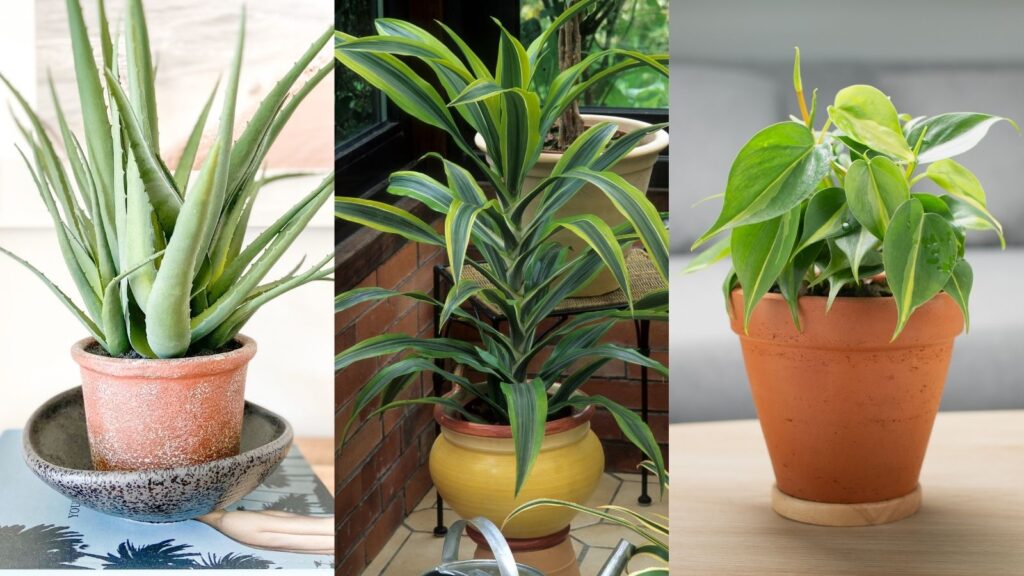
Not every home is filled with bright, sunny windows. Maybe you have a north-facing room, a dim apartment, a shaded office, or simply a corner that never receives direct sunlight.
The good news? You can still enjoy beautiful houseplants. 🪴
Many indoor plants naturally grow beneath forest canopies, where they receive filtered or indirect light rather than strong direct sun. Some have adapted especially well to the lower-light conditions found inside our homes.
But there is one important thing to understand before choosing your plants:
🌱 Low light does not mean zero light.
Every living plant needs some form of light for photosynthesis. A plant kept permanently in a completely dark room will eventually decline unless it receives suitable artificial grow lighting.
With that distinction in mind, here are 15 of the best houseplants for low-light rooms, including watering tips, difficulty level, ideal placement, and pet-safety considerations.
☀️ What Does “Low Light” Actually Mean?
A low-light room usually receives little or no direct sunlight but still has enough ambient daylight for you to comfortably see during the day.
Typical locations include:
✔ several feet away from a window
✔ north-facing rooms
✔ rooms shaded by buildings or trees
✔ offices with limited natural light
✔ bathrooms with small windows
🌑 What about a windowless room?
That’s different.
If a room receives no natural light at all, you’ll need an appropriate grow light if you want plants to remain there permanently.
Also remember:
Low light usually means slower growth and less water use.
That makes overwatering one of the biggest dangers for plants kept in darker rooms.
🌿 1. Chinese Evergreen
Aglaonema is one of the first plants to consider when you’re dealing with limited natural light.
Its attractive leaves come in shades of green, silver, cream and, in some cultivars, pink or red.
☀️ Light
Green varieties generally tolerate lower light better than highly variegated varieties.
Avoid intense direct sunlight, which can scorch the foliage.
💧 Water
Allow the upper portion of the potting mix to dry somewhat before watering again.
Avoid keeping the roots permanently wet.
🏡 Best location
Perfect for:
✔ bedrooms
✔ living rooms
✔ offices
✔ shaded apartments
⭐ Difficulty
Easy
🐾 Pet safety
⚠️ Keep away from pets that may chew the leaves.
💚 2. Golden Pothos
Golden pothos (Epipremnum aureum) has earned its reputation as one of the easiest houseplants to grow.
Its trailing vines make it beautiful on:
🪴 shelves
📚 bookcases
🌿 hanging planters
🗄️ tall cabinets
☀️ Light
Pothos tolerates low indirect light remarkably well.
However, there’s a difference between surviving and thriving.
Growth will generally become slower in darker locations, and variegated varieties may develop less noticeable variegation.
💧 Water
Allow part of the potting mix to dry before watering.
Don’t leave the roots sitting permanently in water.
⭐ Difficulty
Very easy
🐾 Pet safety
⚠️ Keep pothos out of reach of cats and dogs that might chew it.
🌴 3. Dragon Tree
The dragon tree (Dracaena marginata) combines an elegant appearance with relatively forgiving care.
Its slender stems and narrow leaves make it particularly attractive in modern interiors.
☀️ Light
Bright indirect light produces stronger growth, but dragon trees can tolerate lower-light environments.
Avoid intense direct sun.
💧 Water
Allow some of the soil to dry before watering again.
One of the easiest ways to damage a Dracaena is to overwater it, particularly when it’s growing slowly in low light.
🏡 Best location
A great floor plant for:
✔ offices
✔ bedrooms
✔ living rooms
✔ darker corners near ambient daylight
⭐ Difficulty
Easy
🐾 Pet safety
⚠️ Not a good choice where pets are likely to chew the plant.
🤍 4. Peace Lily
Peace lilies (Spathiphyllum) are popular for their deep green foliage and distinctive white flower-like spathes.
They’re particularly famous for tolerating lower indoor light.
☀️ Light
A peace lily can tolerate low light, but brighter indirect light generally encourages better growth and flowering.
So if yours produces lots of leaves but very few flowers, insufficient light may be part of the explanation.
💧 Water
Keep moisture relatively consistent without leaving the soil permanently soggy.
Peace lilies often droop when very thirsty, but repeatedly allowing severe wilting isn’t ideal.
⭐ Difficulty
Easy to moderate
🐾 Pet safety
⚠️ Keep away from pets and small children who might chew the leaves.
🌿 5. Heartleaf Philodendron
Heartleaf philodendron (Philodendron hederaceum) is another excellent trailing plant for relatively dim interiors.
Its heart-shaped leaves cascade beautifully from shelves and hanging pots.
☀️ Light
It adapts well to low indirect light, although growth becomes faster and fuller with moderate indirect light.
💧 Water
Let the upper portion of the soil dry somewhat before watering again.
Don’t keep the pot permanently saturated.
🌿 Growing tip
Long, sparse vines can sometimes indicate that the plant would benefit from additional light.
⭐ Difficulty
Very easy
🐾 Pet safety
⚠️ Keep away from pets that chew houseplants.
🐍 6. Snake Plant
The snake plant—now botanically classified within Dracaena—is one of the toughest-looking and easiest indoor plants.
Its tall, upright leaves make it ideal for narrow spaces.
☀️ Light
Snake plants tolerate surprisingly low light, although they usually grow better with brighter indirect light.
💧 Water
This is where many owners make mistakes.
Snake plants don’t like constantly wet soil.
Allow the potting mix to dry considerably between waterings, especially during cooler months or in low-light locations.
🏡 Best location
Excellent for:
✔ bedrooms
✔ offices
✔ hallways with ambient light
✔ small apartments
⭐ Difficulty
Very easy
🐾 Pet safety
⚠️ Keep away from pets that may chew the foliage.
🕷️ 7. Spider Plant
Spider plants (Chlorophytum comosum) are beginner-friendly classics.
Mature plants often produce dangling baby plants, or “spiderettes,” making them particularly attractive in hanging baskets.
☀️ Light
Spider plants tolerate lower light but generally look fuller and grow faster in medium to bright indirect light.
Avoid harsh direct sunlight.
💧 Water
Water when the upper layer of soil begins to dry.
Don’t keep the pot permanently waterlogged.
🌱 Bonus
The baby plants are easy to propagate, making spider plants particularly fun for beginner gardeners.
⭐ Difficulty
Very easy
🐾 Pet safety
✅ Generally considered one of the more pet-friendly options on this list.
🌴 8. Parlor Palm
The parlor palm (Chamaedorea elegans) has been grown indoors for generations—and its tolerance of relatively modest light is one reason why.
Its delicate green fronds create a soft tropical look without requiring blazing sunshine.
☀️ Light
Low to moderate indirect light works well.
Avoid strong direct sunlight.
💧 Water
Allow the upper soil to dry slightly before watering.
Good drainage is essential.
🏡 Best location
Beautiful in:
🛋️ living rooms
🛏️ bedrooms
💻 home offices
⭐ Difficulty
Easy
🐾 Pet safety
✅ Generally considered pet-friendly.
🌿 9. Cast Iron Plant
The name says almost everything.
The cast iron plant (Aspidistra elatior) is famous for tolerating conditions that would make many houseplants unhappy.
☀️ Light
It performs well in low indirect light and is an excellent choice for shaded interiors.
Keep it away from harsh direct sunlight.
💧 Water
Let part of the soil dry before watering again.
Its slow growth means it doesn’t need constantly wet soil.
🌱 Why beginners love it
It tolerates:
✔ low light
✔ occasional missed watering
✔ relatively slow growth
✔ less-than-perfect indoor conditions
⭐ Difficulty
Very easy
🐾 Pet safety
✅ Generally considered pet-friendly.
🌿 10. ZZ Plant
If you frequently forget about your plants, the ZZ plant (Zamioculcas zamiifolia) deserves serious consideration.
Its glossy foliage looks polished even with minimal attention.
☀️ Light
ZZ plants tolerate low indirect light extremely well.
They’ll generally grow faster with more indirect light, but they don’t need direct sunlight.
💧 Water
Allow the soil to dry well between waterings.
Its underground rhizomes store water, making overwatering more dangerous than occasionally forgetting to water.
⭐ Difficulty
Extremely easy
🐾 Pet safety
⚠️ Keep out of reach of pets and small children who may chew it.
🦚 11. Calathea
Calatheas are among the most decorative foliage plants you can grow indoors.
Their leaves may feature striking combinations of:
💚 green
🤍 cream
💜 purple
🌿 silver
☀️ Light
Calatheas prefer indirect light and dislike harsh direct sunlight.
Many tolerate moderately low light, although extremely dark conditions won’t encourage strong growth.
💧 Water
Keep the soil moderately and consistently moist, but not waterlogged.
Calatheas can be more sensitive than many plants on this list to dry air, inconsistent watering and water quality.
⭐ Difficulty
Moderate to challenging
This isn’t necessarily the best first plant for a complete beginner.
🐾 Pet safety
✅ Many commonly grown Calathea species are considered pet-friendly.
🌱 12. Peperomia
Peperomia is a huge group containing many compact and attractive houseplants.
Their leaves can be:
🌿 smooth
💚 rippled
✨ glossy
🍉 patterned
🌱 thick and fleshy
☀️ Light
Many Peperomia varieties prefer medium to bright indirect light but can tolerate somewhat lower light.
Highly variegated varieties generally need more light to maintain their coloration.
💧 Water
Allow the upper layer of potting mix to dry before watering again.
Overwatering is a common problem.
⭐ Difficulty
Easy
🐾 Pet safety
✅ Many commonly grown Peperomia species are considered pet-friendly.
🌿 13. Lucky Bamboo
Despite its common name, lucky bamboo (Dracaena sanderiana) isn’t actually bamboo.
It’s a Dracaena that has become extremely popular as an indoor decorative plant.
☀️ Light
It tolerates low indirect light but generally prefers brighter filtered light.
Avoid intense direct sun.
💧 Water
Lucky bamboo can be grown in potting mix or, when managed appropriately, in water.
If grown in soil, avoid keeping the roots constantly waterlogged.
⭐ Difficulty
Easy
🐾 Pet safety
⚠️ Keep away from pets that may chew it.
🌺 14. Bromeliads
Bromeliads bring a completely different look to a low-light plant collection.
Many have spectacular foliage and colorful central structures that instantly add a tropical feel.
☀️ Light
This varies by species.
Many commonly grown indoor bromeliads prefer bright, filtered or indirect light, although some tolerate lower light reasonably well.
Therefore, I wouldn’t place all bromeliads in the “darkest corner” category.
💧 Water
Watering requirements also vary by species, so identify your bromeliad rather than treating every variety the same.
Good airflow is important.
⭐ Difficulty
Easy to moderate
🐾 Pet safety
Many commonly grown bromeliads are considered relatively pet-friendly, but always check the exact species.
🍃 15. Creeping Fig
Creeping fig (Ficus pumila) produces small leaves on rapidly spreading vines.
It can create an impressive green cascade when grown indoors under suitable conditions.
☀️ Light
It tolerates some shade but generally performs better with medium to bright indirect light than many of the true low-light champions on this list.
So place it closer to your available natural light than a ZZ plant or cast iron plant.
💧 Water
Don’t let the plant remain permanently waterlogged, but also avoid allowing it to become excessively dry for prolonged periods.
Young creeping figs often appreciate more consistent moisture than mature plants.
⭐ Difficulty
Moderate
🐾 Pet safety
⚠️ Ficus sap can be irritating, so keep the plant away from pets that chew foliage.
🏆 Which Plants Are Best for the Darkest Rooms?
Not all 15 plants tolerate low light equally.
If your room receives very limited but still usable natural light, I’d start with:
🌿 ZZ Plant
🌿 Cast Iron Plant
🌿 Chinese Evergreen
💚 Golden Pothos
🌿 Heartleaf Philodendron
🐍 Snake Plant
These are generally much better candidates than plants such as creeping fig or many bromeliads.
Remember, however:
Even these plants cannot live indefinitely in complete darkness.
💡 What If Your Room Has No Windows?
A bathroom, basement room or office with no windows may look bright because of ceiling lights, but those lights aren’t necessarily providing plants with enough usable light.
In that situation, consider adding an appropriate LED grow light.
A simple timer can make care much easier by providing a consistent daily light period.
This allows you to grow plants in locations where natural daylight isn’t sufficient.
🌱 Surviving vs. Thriving: An Important Difference
This is probably the biggest misunderstanding surrounding “low-light plants.”
A pothos may survive in a dark corner.
That doesn’t necessarily mean it’s receiving ideal light.
Signs that a plant may need more light include:
⚠️ extremely slow growth
⚠️ long gaps between leaves
⚠️ weak or stretched stems
⚠️ loss of variegation
⚠️ leaning strongly toward the window
⚠️ soil staying wet for an unusually long time
Moving the plant slightly closer to indirect daylight can make a significant difference.
💧 Low Light Means Less Water
Here’s a rule that can save many houseplants.
When plants receive less light, they generally grow more slowly and use water more slowly.
That means a plant that needed watering every week in summer near a bright window might need water much less frequently after being moved to a darker location.
❌ Don’t water according to the calendar.
Instead:
👉 check the soil
👉 consider the species
👉 observe the plant
👉 water when appropriate
Overwatering is particularly dangerous in low-light conditions because the potting mix can remain wet for much longer.
🌬️ Do These Plants Really Purify Indoor Air?
You’ll frequently see pothos, spider plants, peace lilies and snake plants described as “air-purifying plants.”
There is some science behind where that idea originated.
Plants can interact with certain airborne compounds under controlled experimental conditions.
However, the effect of a few ordinary houseplants in a real home is far too limited to replace ventilation or mechanical air filtration.
So enjoy these plants because they:
🌿 make rooms beautiful
🪴 bring greenery indoors
✨ create a pleasant atmosphere
🌱 give you something enjoyable to care for
But don’t rely on them as air-cleaning equipment.
⚠️ Especially important: carbon monoxide
A pothos or spider plant does not replace a carbon monoxide detector.
If carbon monoxide is a potential concern in your home, use properly installed and maintained CO alarms.
🐕 Best Low-Light Plants for Homes With Pets
If you have curious cats or dogs, plant choice deserves extra attention.
Some of the more pet-friendly options in this article include:
🌴 Parlor Palm
🕷️ Spider Plant
🌿 Cast Iron Plant
🦚 Many Calatheas
🌱 Many Peperomias
Several other popular low-light plants—including pothos, philodendron, peace lily, ZZ plant and Dracaena—should be kept away from pets that may chew them.
🐾 Always verify the exact plant species when pet safety is important.
🚿 Best Low-Light Plants for a Bathroom
Bathrooms can be wonderful locations for plants when they have at least some natural light.
Good possibilities include:
🌿 pothos
🤍 peace lily
🦚 Calathea
🌿 philodendron
🌴 parlor palm
The higher humidity found in some bathrooms can be particularly welcome for tropical foliage plants.
🌑 No bathroom window?
Use a grow light rather than expecting the plant to live permanently from bathroom lighting alone.
🛏️ Best Low-Light Plants for a Bedroom
For an easy-care bedroom, consider:
🌿 ZZ plant
🐍 snake plant
💚 pothos
🌴 parlor palm
🌿 Chinese evergreen
Choose according to the amount of indirect light available and whether pets or children can access the plant.
❌ 8 Common Low-Light Houseplant Mistakes
1. Assuming “low light” means “no light”
Plants still need light for photosynthesis.
2. Overwatering
This is probably the biggest mistake.
3. Putting every plant in the darkest corner
Low-light tolerance varies dramatically between species.
4. Expecting fast growth
Less light usually means slower growth.
5. Expecting lots of flowers
Flowering plants often need more light to bloom reliably.
6. Ignoring drainage
Use suitable pots and potting mix so roots aren’t constantly sitting in water.
7. Forgetting about pet safety
Several extremely popular houseplants can cause problems when chewed.
8. Believing plants replace air purification
They don’t replace ventilation, air filtration or safety equipment.
🌿 How to Help Plants Grow Better in a Dark Room
Even low-light plants appreciate a little help.
Try these simple strategies:
✔ Move plants closer to indirect daylight when possible.
✔ Clean dust from leaves when necessary.
✔ Rotate pots occasionally for more balanced growth.
✔ Avoid unnecessary watering.
✔ Keep plants away from cold drafts.
✔ Use an appropriate grow light when natural light is insufficient.
✔ Reduce fertilizer when growth slows rather than trying to force growth.
And remember that seasonal light changes matter.
A location that works perfectly in summer may become significantly darker during winter.
❓ FAQ – Low-Light Houseplants
Can houseplants really grow without sunlight?
They can grow without direct sunlight, but they cannot grow indefinitely without light. Plants need light for photosynthesis.
What is the best houseplant for very low light?
ZZ plants, cast iron plants, Chinese evergreens, pothos and some philodendrons are among the strongest candidates for low-light interiors.
Can plants survive in a room without windows?
Not indefinitely without a suitable artificial light source. A grow light can make a windowless room much more suitable for plants.
Do snake plants need sunlight?
Snake plants don’t require direct sunlight and tolerate relatively low light, but they generally grow better when they receive adequate indirect light.
Can pothos grow in a dark room?
Pothos tolerates low light remarkably well, but very dark conditions lead to slower growth and may reduce variegation. Complete darkness isn’t suitable.
Which low-light plants are easiest for beginners?
ZZ plant, snake plant, pothos, spider plant and cast iron plant are excellent beginner choices.
Which low-light houseplants are pet-friendly?
Spider plants, parlor palms, cast iron plants, many Calatheas and many Peperomias are commonly considered better choices for homes with pets. Always verify the exact species.
Why is my low-light plant turning yellow?
Possible causes include overwatering, poor drainage, insufficient light, natural leaf aging, root problems or other environmental stress. Check the soil and growing conditions before automatically adding more water.
How often should I water low-light plants?
There is no universal schedule. Check the soil and the requirements of the individual species. Plants in low light often need water less frequently than the same plants in brighter conditions.
Can normal room lights keep plants alive?
Ordinary lighting isn’t always sufficient. If natural daylight is absent or extremely limited, an appropriate grow light is a more reliable solution.
🏁 Final Thoughts
You don’t need a south-facing window or a sun-filled apartment to enjoy beautiful houseplants.
The secret is choosing plants that naturally tolerate lower levels of indirect light and adjusting their care accordingly.
🌿 For very low light: ZZ plant, cast iron plant or Chinese evergreen
🌱 For beginners: Pothos, snake plant or spider plant
🐾 For pet-friendly homes: Parlor palm, spider plant or cast iron plant
🦚 For spectacular foliage: Calathea
🌴 For a tropical look: Parlor palm
💡 For a windowless room: Add a suitable grow light
Most importantly, forget the idea of a plant that needs “zero sunlight.”
What these plants really offer is something much more useful: the ability to grow without direct sun and tolerate lower-light conditions better than many other houseplants. 🌿✨