
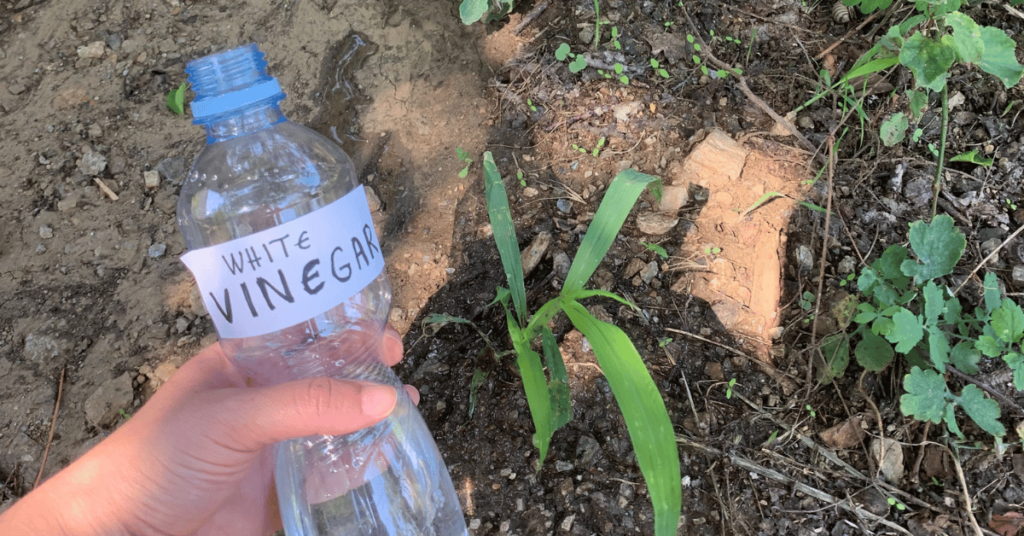
White vinegar is one of those inexpensive household products that seems to have endless uses. It can clean kitchen surfaces, remove mineral deposits, freshen certain household items—and it can also be surprisingly useful around the garden.
But there is an important catch.
Vinegar is acidic, and stronger concentrations can damage leaves, roots, beneficial organisms, and even desirable plants. That means it should not be treated as an all-purpose natural fertilizer or pesticide.
Used carefully and in the right places, however, vinegar can become a handy addition to your gardening toolkit.
From trapping fruit flies to cleaning terracotta pots and tackling weeds between paving stones, here are 10 practical ways to use white vinegar in and around the garden—plus the mistakes you should avoid.
🍎 1. Make a Simple Fruit Fly Trap
If tiny flies are gathering around overripe or damaged fruit, apple cider vinegar can be useful as an attractant.
Rather than spraying vinegar onto fruit trees or plants, use it inside a small trap.
What you need
- ½ cup apple cider vinegar
- A few drops of dish soap
- A small jar or bowl
How to use it
Pour the apple cider vinegar into the container and add a few drops of dish soap.
Place the trap near the problem area, but not where pets or children can easily reach it.
The vinegar aroma attracts certain small flies, while the dish soap reduces the surface tension of the liquid.
💡 Important: This is a trap, not a plant treatment. There is no need to spray vinegar onto the leaves or fruit.
🐈 2. Discourage Cats From Certain Garden Areas
Some cats dislike the strong smell of vinegar. This makes it worth trying around areas where cats repeatedly dig.
However, pouring vinegar directly into garden soil isn’t a good idea.
A safer method
Soak small pieces of old cloth in diluted white vinegar and place them in containers around the area you want to protect.
Refresh them when the smell disappears.
You can also use vinegar around hard surfaces, fences or other non-plant areas.
⚠️ Avoid pouring concentrated vinegar around roots or directly onto your plants.
And remember: this method isn’t guaranteed. Some animals will simply ignore the smell.
🌺 3. Be Careful When Using Vinegar Around Acid-Loving Plants
You may have seen recommendations suggesting vinegar for hydrangeas, azaleas, rhododendrons and other acid-loving plants.
The reasoning sounds logical: vinegar is acidic, so shouldn’t it make the soil more acidic?
Technically, vinegar can temporarily lower pH. But that doesn’t automatically make it a good soil amendment.
Its effects can be short-lived, and applying too much may damage roots and disrupt soil conditions.
A better approach
Before trying to acidify your garden:
- Test the soil pH.
- Determine what pH your particular plant actually requires.
- Use an appropriate soil amendment if necessary.
- Add organic matter suitable for the plant.
🌱 Garden tip: Don’t routinely water acid-loving plants with vinegar just because they prefer acidic soil.
🌿 4. Control Young Weeds on Paths and Paving
This is probably the best-known garden use for vinegar.
Household vinegar contains acetic acid, which can damage plant tissue. It tends to work best against small, young weeds.
However, there is one major limitation.
Vinegar is a non-selective contact treatment. If it touches your flowers, vegetables or lawn, it may damage them too.
Where to use it
Vinegar is better suited to weeds growing in places such as:
- Sidewalk cracks
- Gravel areas
- Between paving stones
- Driveway edges
- Other areas away from desirable vegetation
Apply carefully to the weed’s foliage on a dry day.
☀️ Young weeds are generally easier to control than mature perennial weeds.
What vinegar doesn’t necessarily do
It may kill the foliage without destroying established underground roots. Some perennial weeds can therefore grow back.
⚠️ Never assume that “natural” means harmless. Avoid saturating garden soil with vinegar.
🧰 5. Clean Dirty Garden Tools
This is one of my favorite ways to use vinegar because you don’t have to put it anywhere near a living plant.
Garden tools gradually accumulate dirt, mineral residue and rust.
White vinegar can help loosen these deposits.
For light cleaning
Mix:
1 part white vinegar + 1 part water
Use the solution to wipe down metal garden tools, then rinse them thoroughly and dry them completely.
For rusty tools
For removable metal parts with heavier rust, soaking them in vinegar for a limited period can help loosen the rust.
Afterward:
- Scrub with a stiff brush.
- Rinse thoroughly.
- Dry immediately.
- Apply an appropriate protective oil if necessary.
⚠️ Don’t leave every type of metal soaking indefinitely. Acid can attack some surfaces and protective finishes.
🪴 6. Remove White Mineral Deposits From Terracotta Pots
Have your terracotta pots developed ugly white marks?
These deposits commonly come from minerals in hard water and fertilizer salts.
Vinegar’s acidity can help dissolve them.
Simple cleaning solution
Mix equal parts:
- White vinegar
- Water
First remove loose dirt with a brush.
Then scrub the empty pot with the diluted vinegar solution. For stubborn deposits, allow it to work briefly before scrubbing again.
Finally, rinse the pot very thoroughly with clean water and allow it to dry before using it again.
✨ Your old terracotta pots can look noticeably cleaner without requiring an expensive specialty cleaner.
🏡 7. Clean Garden Furniture and Outdoor Surfaces
Vinegar can also be useful for certain washable outdoor surfaces.
A diluted solution may help remove grime and mineral residue from suitable surfaces around patios and garden work areas.
Try this
Combine approximately:
- 1 part white vinegar
- 3 parts warm water
Apply with a cloth or sponge and rinse afterward.
⚠️ Test an inconspicuous area first.
Avoid using vinegar on acid-sensitive materials such as some natural stones, including marble and limestone. It can etch or dull the surface.
💐 8. Help Keep Cut-Flower Vase Water Fresh
Flowers picked from your own garden can brighten an entire room.
But once flowers are cut, bacteria in vase water can contribute to their deterioration.
Some homemade flower-food recipes combine a small amount of acid with sugar.
Simple homemade vase solution
For approximately 1 liter (1 quart) of water, you can try:
- 1–2 tablespoons white vinegar
- About 1 teaspoon sugar
Stir until dissolved before adding the flowers.
The sugar provides carbohydrates while the acidic ingredient changes the water environment.
However, different flowers respond differently, so commercial flower food formulated specifically for cut flowers may provide more predictable results.
Don’t forget the basics
For longer-lasting flowers:
✂️ Use a clean vase.
🌸 Remove leaves below the waterline.
💧 Replace cloudy water.
✂️ Recut stems when necessary.
☀️ Keep the arrangement away from excessive heat and direct sunlight.
🚿 9. Remove Mineral Deposits From Watering Equipment
Hard-water deposits can gradually build up around watering cans, removable nozzles and certain garden equipment.
Vinegar can help dissolve mineral scale.
How to do it
For removable parts that are compatible with acid:
- Prepare diluted vinegar.
- Soak or wipe the affected part.
- Allow enough time for the deposits to soften.
- Scrub gently.
- Rinse thoroughly with clean water.
This is particularly useful when small openings become partially clogged with mineral buildup.
⚠️ Check the manufacturer’s instructions before using vinegar on specialized irrigation equipment, rubber components or sensitive finishes.
🧹 10. Clean Empty Seed Trays and Plant Pots
Old containers often accumulate soil residue and mineral deposits.
Before reusing them, start by physically cleaning away old soil and debris.
Vinegar can be useful during the cleaning process, particularly for mineral deposits.
Basic cleaning method
First:
- Empty the container.
- Brush away remaining soil.
- Wash it thoroughly with soap and water.
- Use diluted vinegar if mineral deposits remain.
- Rinse thoroughly.
- Allow it to dry.
🌱 If you’re specifically trying to prevent transmission of a known plant disease, follow an appropriate horticultural sanitation protocol rather than assuming vinegar alone will sterilize everything.
⚠️ 5 Vinegar Mistakes Gardeners Should Avoid
Vinegar is useful—but it’s also easy to misuse.
1. Don’t spray vinegar indiscriminately on leaves.
Acetic acid can damage plant tissue.
2. Don’t pour concentrated vinegar around roots.
You could injure the plant and disturb the surrounding soil.
3. Don’t use it as a routine fertilizer.
Vinegar doesn’t provide the balanced nutrition plants require.
4. Don’t assume it permanently kills every weed.
Established perennial weeds may regrow from their roots.
5. Don’t use stronger horticultural vinegar casually.
Products containing much higher concentrations of acetic acid are considerably more hazardous than ordinary household vinegar and require strict label precautions.
🌱 Natural Alternatives to Vinegar in the Garden
Vinegar isn’t always the best answer.
For weeds growing close to valuable plants, hand pulling, hoeing and mulching are usually safer because they don’t risk acid damage.
For aphids, start with a strong stream of water to physically knock them from the plant. If the infestation persists, consider an insecticidal soap product labeled for the affected plant and pest.
For slugs and snails, remove hiding places, hand-pick them when practical, protect vulnerable plants with physical barriers, and use an appropriately labeled control product when necessary.
And when your soil pH needs adjustment, don’t guess. Test the soil first and choose an amendment based on the results.
❓ Frequently Asked Questions
Can white vinegar kill weeds?
Yes, household vinegar can damage and kill the exposed foliage of some young weeds. It tends to be less effective against established perennial weeds because their roots may survive and produce new growth.
Can I spray vinegar directly on plants?
Generally, this should be avoided. Vinegar can burn or damage leaves and other plant tissues.
Is vinegar a natural fertilizer?
No. Although vinegar has several useful garden applications, it isn’t a complete fertilizer and shouldn’t replace proper plant nutrition.
Does vinegar make hydrangeas blue?
It’s not a reliable method. Blue hydrangea flowers depend largely on cultivar, soil pH and the availability of aluminum. Proper soil testing and appropriate amendments are a better strategy.
Can vinegar kill aphids?
Direct contact with sufficiently acidic solutions may harm insects, but vinegar can also damage the plant itself. A water spray or properly labeled insecticidal soap is usually a better starting point.
Does vinegar kill slugs and snails?
Direct exposure to strong vinegar can injure or kill them, but spraying vinegar around plants and soil risks damaging the garden as well. Other slug-control methods are preferable.
Can I use vinegar on terracotta pots?
Yes. Diluted white vinegar can be particularly useful for removing mineral and fertilizer deposits from empty terracotta pots. Rinse them thoroughly afterward.
Is stronger vinegar better for killing weeds?
Not necessarily from a safety perspective. Higher concentrations of acetic acid are more hazardous to the eyes and skin and can cause considerably more plant damage. Follow the product label rather than treating stronger vinegar like ordinary kitchen vinegar.
🌿 Final Thoughts
White vinegar deserves a place in the garden shed—but perhaps not in the way many viral gardening hacks suggest.
Its best uses are often surprisingly simple: cleaning terracotta pots, removing mineral deposits, cleaning tools, maintaining outdoor equipment, trapping small fruit flies and controlling young weeds in cracks away from valuable plants.
The important rule is to distinguish between using vinegar around the garden and applying vinegar directly to your plants.
Used carefully, this inexpensive household staple can save time and money. Used excessively, however, the same acidity that makes vinegar useful can damage the plants you’re trying to protect.
So keep the bottle handy—just use it in the right place. 🌱