
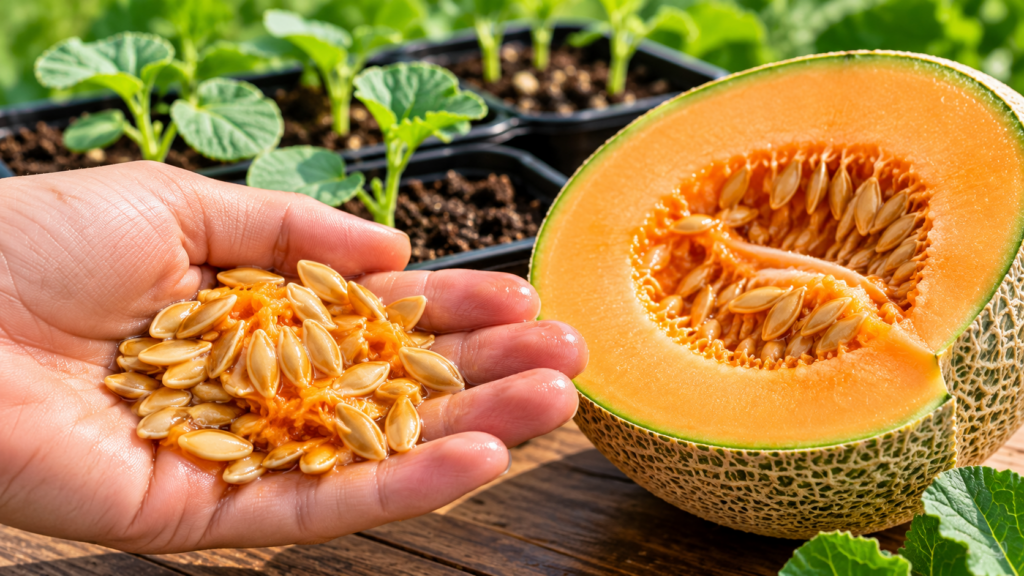
Can you really grow melon plants from seeds taken from a supermarket melon? Yes! Instead of throwing those seeds away, you can try turning them into healthy young plants using a simple paper towel germination method.
You don’t need expensive equipment, a greenhouse, or years of gardening experience to get started. A ripe melon, a few paper towels, and a warm spot may be all you need to begin.
Some melon seeds can start sprouting in just 3–7 days under favorable conditions, although others may take longer or fail to germinate.
Here’s how to try this easy gardening experiment at home—and what to do after the first tiny root appears.
Can You Really Grow Melons From Supermarket Seeds?
Absolutely! Seeds collected from a ripe supermarket melon can be viable and capable of producing new plants.
However, there are a few things worth knowing before you begin.
Many commercially grown melons are hybrids. This means that plants grown from their seeds may not produce fruit identical to the melon you purchased.
The fruit could differ in size, sweetness, shape, or appearance. Some seeds may also be immature or nonviable.
Still, if you enjoy gardening experiments, saving melon seeds can be a fun and inexpensive way to try growing something new.
The best part? You can often see whether the seeds are beginning to germinate before planting them in soil.
Why the Paper Towel Method Works
Melon seeds need moisture, warmth, and oxygen to begin germinating.
The paper towel method provides a moist environment while allowing you to observe the seeds as they develop.
Unlike planting seeds directly into soil, this technique makes it easier to see which seeds have sprouted.
It can also help you avoid filling multiple pots with seeds that never germinate.
But remember: the paper towel method is optional. Melon seeds can also germinate successfully when planted directly in warm, moist seed-starting mix.
What You’ll Need
You probably already have most of these supplies at home.
- Seeds from one ripe melon
- Two clean paper towels
- A shallow food container with a lid or a resealable plastic bag
- Clean water
- Small planting pots with drainage holes
- Seed-starting mix or light potting soil
- A spray bottle, optional
Gardening tip: Choose seeds from a fully ripe melon. Seeds from underripe fruit may be less likely to germinate.
How to Germinate Melon Seeds Using Paper Towels
Step 1: Remove the Seeds From the Melon
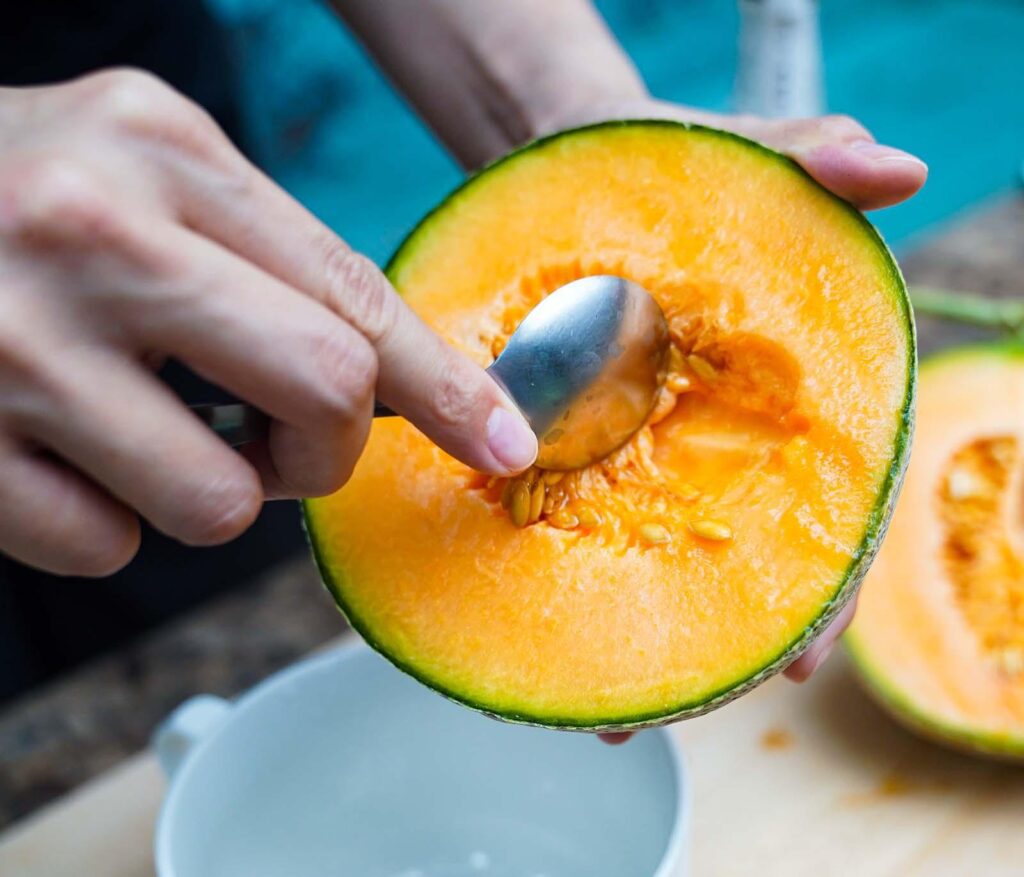
Cut open a ripe melon and carefully scoop out the seeds.
Separate the seeds from the surrounding pulp and rinse them gently under clean water.
Removing the sticky fruit residue helps keep the germination container cleaner.
Discard any visibly damaged seeds.
You don’t need to dry the seeds for several days if you plan to germinate them immediately.
Step 2: Prepare the Paper Towels
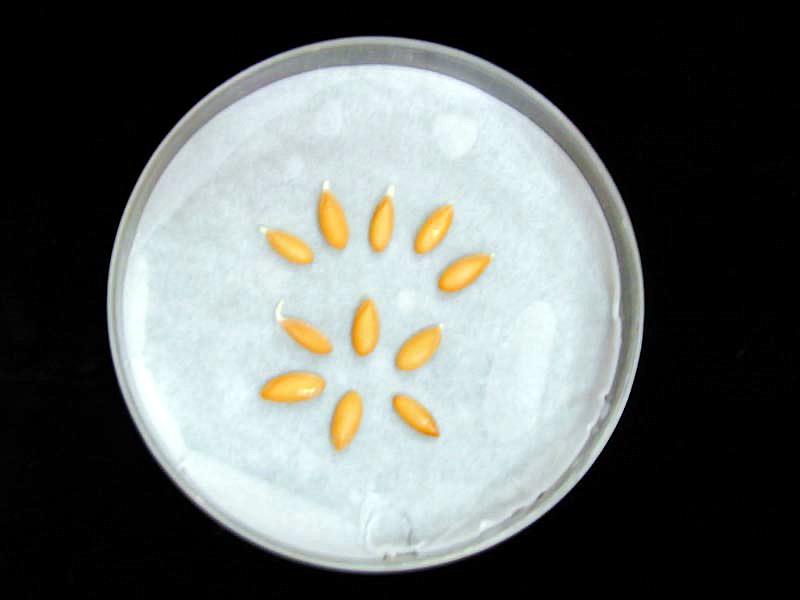
Moisten two paper towels with clean water.
They should feel evenly damp but not dripping wet.
Place one towel inside a shallow container and spread the seeds across it, leaving a little space between them.
Cover the seeds with the second damp paper towel.
Avoid piling the seeds on top of one another.
Step 3: Keep the Seeds Warm
Close the container loosely or place the paper towels inside a resealable bag with some air inside.
Keep them in a consistently warm location, ideally around 77–86°F (25–30°C).
A warm indoor area works well. Avoid placing the container in direct sunlight, where it could overheat.
Important: Melon seeds need warmth, not intense light, to begin germinating.
Step 4: Check the Seeds Every Day
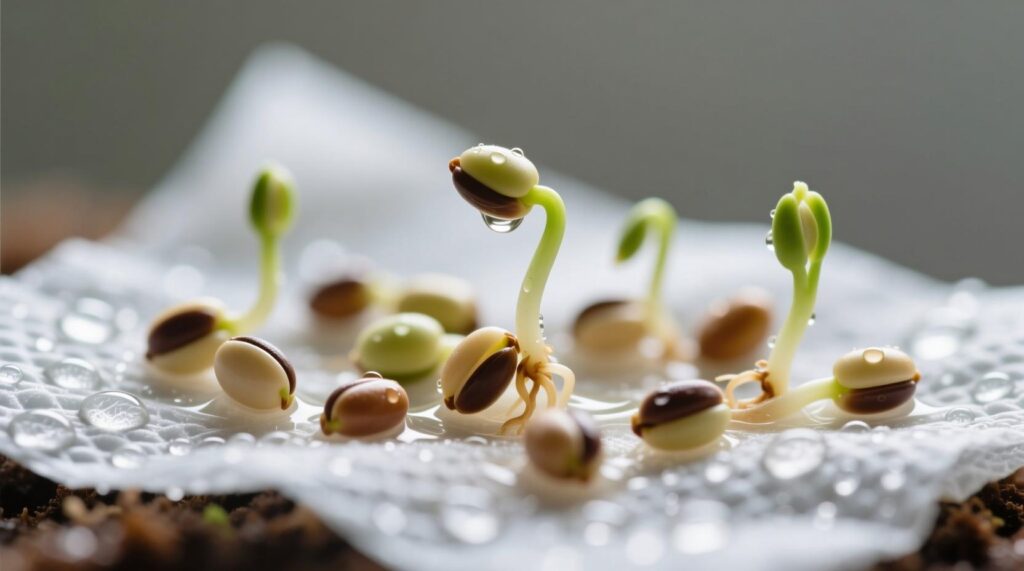
Open the container briefly each day to check the moisture level and look for signs of germination.
If the towels are drying out, add a little water.
If they are soaking wet, remove excess moisture.
You may notice the seed coat splitting and a tiny white root emerging.
Under suitable conditions, some seeds can germinate within 3–7 days. Others may take 10 days or longer.
Remove any seeds that become visibly moldy or rotten.
Step 5: Transfer the Sprouted Seeds Into Soil
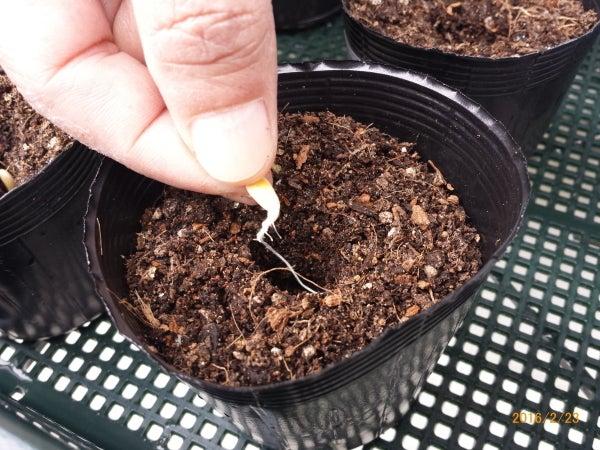
Once a small root appears, it’s time to move the seed into a pot.
Fill a small pot with lightly moistened seed-starting mix.
Make a hole approximately ½ inch (1–2 cm) deep.
Carefully place the sprouted seed inside, with the root pointing downward if possible.
Cover it gently with soil.
Avoid pulling or touching the delicate root more than necessary.
Water lightly and keep the pot warm.
Don’t wait too long: Roots can become tangled in paper towels if you leave sprouted seeds inside the container for too many days.
What Happens After the Seeds Sprout?
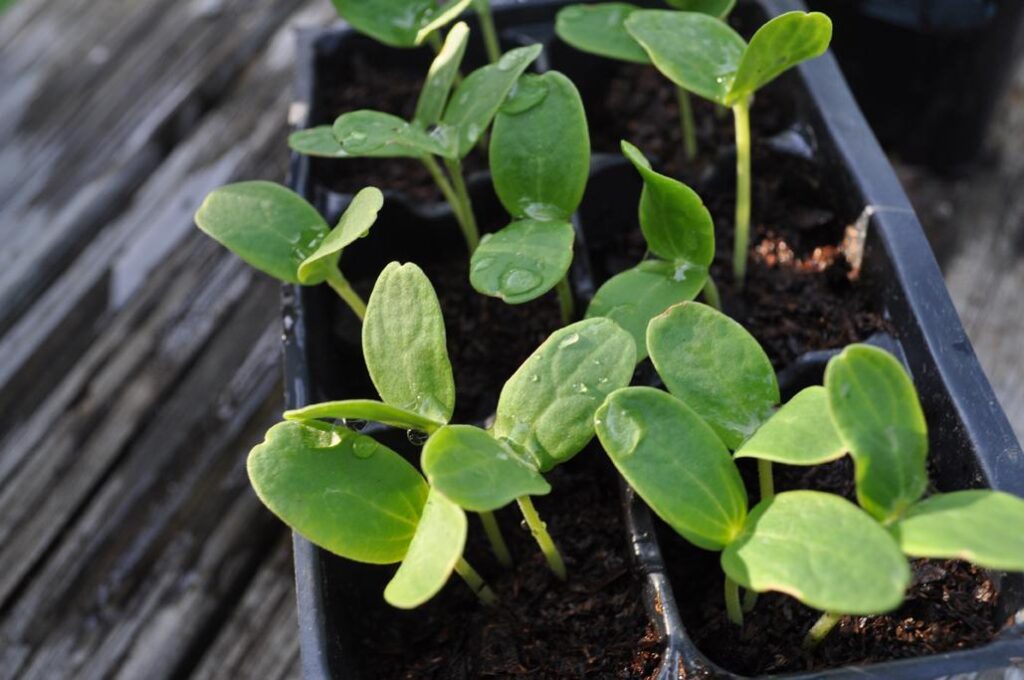
The first visible root is only the beginning.
After planting, a small shoot should eventually emerge above the soil.
The seedling will first develop two seed leaves, called cotyledons. These are followed by the plant’s first true leaves.
At this stage, your young melon plant needs more than warmth.
It also needs plenty of light, suitable moisture, and enough space to grow.
Give Seedlings Plenty of Light
Place the pots in a bright location.
A suitable grow light can help if indoor sunlight is insufficient.
Without enough light, melon seedlings may become tall, thin, and weak.
Water Carefully
Keep the soil lightly moist while the seedlings establish themselves.
Avoid constantly saturated soil, which can encourage root problems.
Always use pots with drainage holes.
Avoid Cold Temperatures
Melons are warm-season crops and are sensitive to frost.
Wait until frost danger has passed and the soil has warmed sufficiently before transplanting seedlings outdoors.
For reliable establishment, soil temperatures around 65–70°F (18–21°C) or warmer are preferable.
When Should You Plant Melons Outdoors?
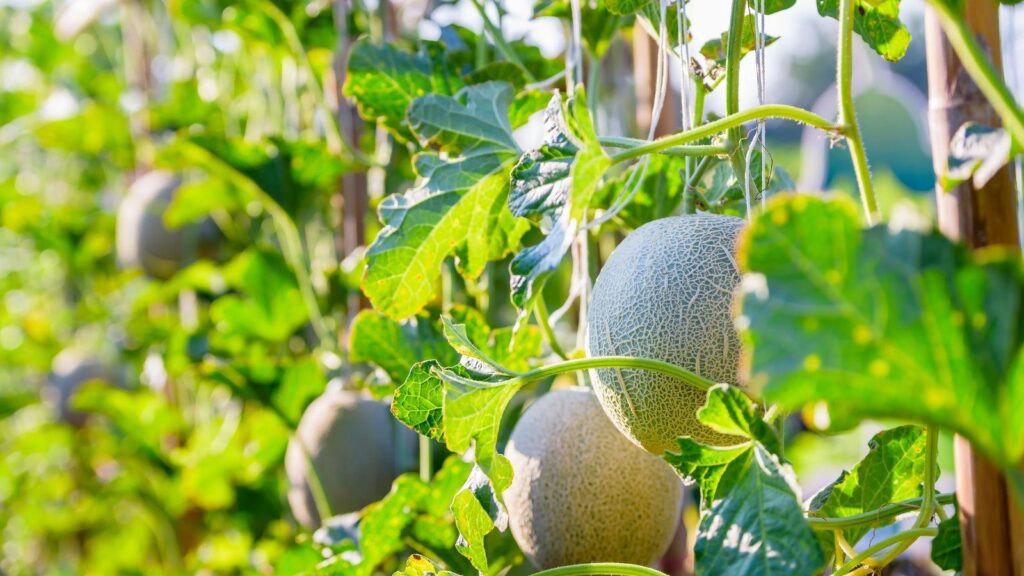
Melons grow best in warm weather with plenty of sunshine.
Choose a location that receives at least 6–8 hours of direct sunlight daily.
The soil should drain well and contain sufficient organic matter.
Before transplanting indoor-grown seedlings, gradually introduce them to outdoor conditions over approximately 7–10 days. This process is called hardening off.
It helps prevent damage from sudden exposure to stronger sunlight, wind, and temperature changes.
Follow the spacing recommendations for your melon variety, since different types have different growth habits.
If you’re growing melons in containers, choose a large container with adequate drainage and enough room for the vines.
7 Common Mistakes That Can Stop Melon Seeds From Growing
Even though melon seeds are relatively straightforward to germinate, a few mistakes can reduce your chances of success.
1. Using Seeds From an Unripe Melon
Immature seeds may not be fully developed.
Whenever possible, choose seeds from a ripe fruit.
2. Keeping the Seeds Too Cold
Melon seeds germinate best in warm conditions.
Cold indoor temperatures can delay germination or prevent it entirely.
3. Soaking the Paper Towels
Too much water reduces the air available around the seeds and encourages decay.
The towels should be damp, not flooded.
4. Letting the Paper Towels Dry Out
Seeds need consistent moisture while germinating.
Check them regularly.
5. Leaving Sprouted Seeds on the Towels Too Long
Long roots can become tangled or damaged during removal.
Transplant seeds while the roots are still short.
6. Planting Too Deeply
A planting depth of approximately ½ inch (1–2 cm) is suitable for most melon seeds.
Excessively deep planting can make emergence more difficult.
7. Moving Seedlings Outdoors Too Early
Young melon plants are sensitive to cold weather.
Wait for suitable outdoor conditions before transplanting.
Paper Towel Method vs. Planting Directly in Soil: Which Is Better?
Both methods can work well.
The paper towel method is useful when you want to observe germination and identify which seeds have started growing.
Direct sowing is often simpler because it avoids handling delicate sprouted roots.
If you have only a few seeds and want to watch them germinate, try paper towels.
If you have plenty of seeds and suitable warm conditions, planting them directly into seed-starting mix may be easier.
Neither method guarantees that every seed will grow.
Will Supermarket Melon Seeds Produce Sweet Melons?
Possibly—but there is no guarantee.
Some supermarket melons are grown from hybrid varieties, and their seeds may produce plants with different characteristics.
A seedling might grow into a healthy vine but produce fruit that looks or tastes different from the original melon.
Successful fruit production also depends on sunlight, temperature, watering, soil fertility, pollination, and the length of the growing season.
Think of supermarket melon seeds as an enjoyable experiment rather than a guaranteed way to reproduce your favorite melon variety.
For predictable results, purchase seeds of a named variety suited to your local climate.
How Long Does It Take to Grow Melons From Seed?
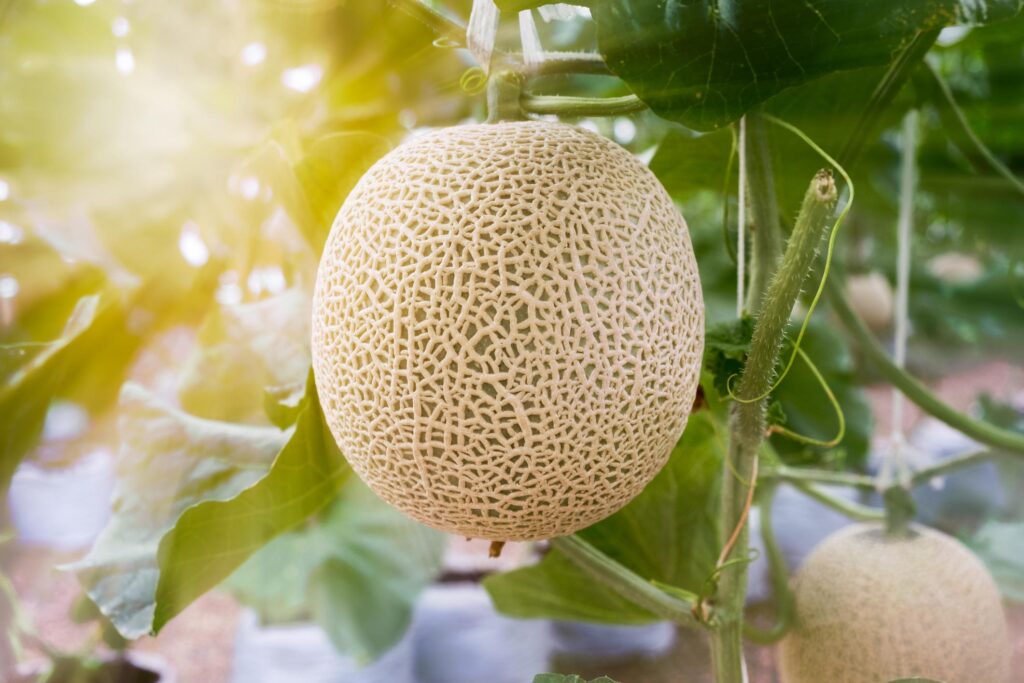
Germination is usually the quickest part.
Under favorable conditions, seeds may sprout within several days.
But growing a mature melon takes considerably longer.
Depending on the variety and growing conditions, many melons need roughly 70–100 or more days from planting to harvest.
Warm temperatures, sufficient sunlight, healthy roots, and successful pollination all play important roles.
So while a seed may germinate in five days, you shouldn’t expect a mature melon plant—or ripe fruit—in that time.
Frequently Asked Questions
Can I plant melon seeds straight from the fruit?
Yes. Rinse away the pulp and plant viable seeds in warm, moist seed-starting mix, or germinate them first using paper towels.
Do melon seeds need to be dried before planting?
Not necessarily. Freshly cleaned seeds can be planted or germinated immediately. Seeds intended for storage should be dried properly first.
How many days does it take for melon seeds to germinate?
Some germinate in 3–7 days in warm conditions. Others take longer, depending on temperature, seed maturity, and viability.
Do melon seeds need sunlight to germinate?
No. Warmth and moisture are more important during germination. Once seedlings emerge, they need sufficient light for healthy growth.
Can I grow melons in pots?
Yes, provided you choose a suitable variety and give the plant enough soil volume, sunlight, water, nutrients, and room for its vines.
Why are my melon seeds not sprouting?
Common causes include low temperatures, excessive moisture, dried-out paper towels, immature seeds, or seeds that are no longer viable.
Can I grow melon plants indoors all year?
You can start seeds indoors, but producing mature fruit indoors is much more demanding. Melon plants need strong light, warmth, space, and adequate pollination.
Final Thoughts: Don’t Throw Away Those Melon Seeds Just Yet!
The next time you slice open a ripe melon, take a closer look at the seeds before throwing them away.
With a little warmth, moisture, and patience, some of those seeds may develop into young plants.
The paper towel method is a simple way to observe the germination process, while direct sowing is another reliable option when conditions are suitable.
You might not grow millions of melon plants in five days—but watching a tiny seed develop into a healthy seedling is rewarding enough.
Save this gardening idea and give it a try the next time you enjoy a fresh melon! 🍈🌱