
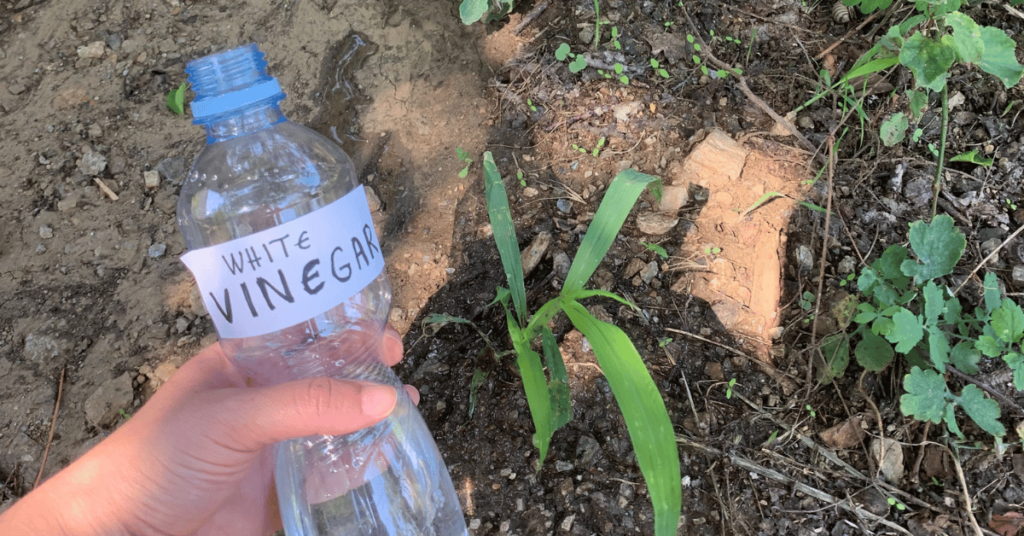
White vinegar is one of those inexpensive household products that seems to have endless uses. It can clean kitchen surfaces, remove mineral deposits, freshen certain household items—and it can also be surprisingly useful around the garden.
But there is an important catch.
Vinegar is acidic and non-selective. Strong or careless applications can damage leaves, roots, desirable plants and certain outdoor materials.
That means vinegar should not be treated as an all-purpose natural fertilizer, pesticide or miracle garden treatment.
Used carefully and in the right places, however, it can become a handy addition to your gardening toolkit.
From trapping small fruit flies to cleaning terracotta pots and tackling young weeds away from valuable plants, here are 10 practical ways to use vinegar in and around the garden—plus 4 bonus uses and the mistakes you should avoid.
🍎 1. Make a Simple Fruit Fly Trap
If tiny fruit flies are gathering around overripe or damaged fruit, apple cider vinegar can be useful as an attractant.
Rather than spraying vinegar onto fruit trees or plants, use it inside a small trap.
What You Need
- ½ cup apple cider vinegar
- 1–2 drops of dish soap
- A small jar or bowl
How to Use It
- Pour the apple cider vinegar into the container and add one or two drops of dish soap.
- Place the trap near the problem area, but somewhere pets and children cannot easily reach it.
- The vinegar attracts certain small fruit flies, while the dish soap reduces the surface tension of the liquid.
💡 Important: This is a trap, not a plant treatment. There is no need to spray vinegar onto leaves or fruit. Also remember that not every insect damaging fruit is a common fruit fly. If fruit is being attacked directly on the plant, identify the pest before choosing a treatment.
🐈 2. Discourage Cats From Certain Garden Areas
Some cats may dislike the strong smell of vinegar, so the odor is sometimes used as a temporary deterrent.
However, pouring vinegar directly into garden soil is not a good approach.
A More Cautious Method
- Soak small pieces of old cloth in diluted white vinegar and place them in small containers around areas you want cats to avoid.
- You can also use vinegar around compatible hard surfaces or other non-plant areas.
- Refresh the cloth when the odor disappears.
⚠️ Keep vinegar away from plant roots and foliage. And don’t expect guaranteed results. Animals respond differently to smells, rain quickly reduces the odor, and physical barriers are usually more predictable for long-term protection.
🌺 3. Be Careful When Using Vinegar Around Acid-Loving Plants
You may have seen recommendations suggesting vinegar for hydrangeas, azaleas, rhododendrons and other plants that prefer acidic soil.
The reasoning sounds logical: Vinegar is acidic, so shouldn’t it make the soil more acidic?
Technically, vinegar can temporarily lower pH. But that doesn’t automatically make it a good long-term soil amendment. Its effects can be short-lived, and applying too much may damage roots or disturb soil conditions.
A Better Approach
Before trying to acidify garden soil:
- Test the soil pH.
- Determine the appropriate pH range for the particular plant.
- Use an appropriate horticultural amendment if correction is necessary.
- Follow the product directions carefully.
🌱 Garden tip: Don’t routinely water acid-loving plants with vinegar simply because they prefer acidic soil. Vinegar is also not fertilizer and does not provide the balanced nutrients plants need.
🌿 4. Control Young Weeds on Paths and Paving
This is probably the best-known garden use for vinegar.
Household vinegar contains acetic acid, which can damage plant tissue. It tends to work best against small, young, tender weeds.
However, there is one major limitation: Vinegar is non-selective. If it contacts flowers, vegetables, seedlings or lawn grass, it may damage them too.
Where to Use It
Vinegar is better suited to young weeds growing in places such as:
- sidewalk cracks
- between paving stones
- driveway edges
- some gravel areas
- other spots well away from desirable vegetation
Apply it carefully to the weed foliage and avoid overspray.
What Vinegar Doesn’t Necessarily Do
Vinegar may damage the visible foliage without destroying an established root system. Mature perennial weeds can therefore grow back.
⚠️ Avoid saturating productive garden soil with vinegar. And skip the salt: a popular online recipe combines vinegar, salt and dish soap. The salt is problematic in areas where you may want plants to grow later because it can accumulate in soil and interfere with plant growth. For weeds growing among desirable plants, hand pulling, hoeing and mulching are generally better choices.
🧰 5. Clean Dirty Garden Tools
This is one of the most practical vinegar uses because you don’t have to apply it anywhere near a living plant.
Garden tools can gradually accumulate:
- dirt
- mineral residue
- sap
- light surface rust
Vinegar can help loosen some of these deposits.
For Light Cleaning
Mix 1 part white vinegar + 1 part water. Use the solution on compatible metal surfaces, scrub when necessary, then rinse and dry the tool completely.
For Light Rust
Some removable compatible metal parts can be exposed briefly to vinegar to help loosen light rust. Afterward:
- Scrub with a stiff brush.
- Rinse thoroughly.
- Dry immediately.
- Apply an appropriate protective oil when needed.
⚠️ Don’t leave every type of metal soaking indefinitely. Acid can attack certain metals, coatings and protective finishes. Also remember: cleaning isn’t necessarily the same as disinfecting. If you’re trying to prevent transmission of a known plant disease, use an appropriate sanitation method for the pathogen and tool involved.
🪴 6. Remove White Mineral Deposits From Terracotta Pots
Have your terracotta pots developed chalky white marks? These deposits commonly come from minerals in hard water and fertilizer salts. Vinegar’s acidity can help dissolve some of this buildup.
Simple Cleaning Solution
Mix equal parts white vinegar and water.
- First empty the pot and brush away loose soil.
- Apply the diluted vinegar to the mineral deposits and scrub with a stiff brush. For stubborn buildup, allow brief contact before scrubbing again.
- Finally, rinse the pot very thoroughly with clean water and allow it to dry before reuse.
✨ Old terracotta pots can look noticeably cleaner without requiring an expensive specialty cleaner.
🏡 7. Clean Compatible Garden Furniture and Outdoor Surfaces
Diluted vinegar can also be useful for grime and mineral residue on certain outdoor surfaces.
Try This
Combine approximately 1 part white vinegar to 3 parts warm water. Apply the solution with a cloth or sponge rather than spraying it indiscriminately around the garden. Rinse afterward when appropriate.
⚠️ Test First: Avoid vinegar on acid-sensitive materials, particularly marble, limestone, travertine, certain metals, delicate finishes, and other acid-sensitive natural stone. Acid can etch, dull or discolor some materials permanently. When you’re uncertain about a surface, check the manufacturer’s care instructions first.
💐 8. Help Keep Cut-Flower Vase Water Fresh
Flowers picked from your garden can brighten an entire room, but once they’re cut, water quality and microbial growth can influence how long they remain attractive. Some homemade flower-food recipes combine a small amount of acid with sugar.
Simple Homemade Vase Solution
For approximately 1 liter (1 quart) of water, try:
- 1–2 tablespoons white vinegar
- about 1 teaspoon sugar
Stir until dissolved before adding the flowers. Vinegar changes the acidity of the water, while the sugar provides carbohydrates. However, vinegar alone isn’t a complete flower preservative, and different flowers may respond differently. A commercial cut-flower preservative can provide more predictable results.
Don’t Forget the Basics
For longer-lasting cut flowers:
- ✂️ Use a clean vase.
- 🌸 Remove leaves below the waterline.
- 💧 Replace cloudy water promptly.
- ✂️ Recut stems when appropriate.
- ☀️ Keep the arrangement away from excessive heat and strong direct sunlight.
🚿 9. Remove Mineral Deposits From Watering Equipment
Hard-water deposits can gradually build up on watering cans, removable nozzles, trays and other garden equipment. Vinegar can help dissolve some mineral scale.
How to Do It
For removable parts and acid-resistant materials:
- Prepare diluted white vinegar.
- Apply it to the affected deposits or briefly soak compatible removable parts.
- Allow the deposits time to soften.
- Scrub gently.
- Rinse thoroughly with clean water.
- Dry when appropriate.
This can be particularly useful when mineral buildup begins to obstruct small openings.
⚠️ Check manufacturer instructions before applying vinegar to specialized irrigation equipment, rubber components, metals or sensitive finishes.
🧹 10. Clean Empty Seed Trays and Plant Pots
Old plant containers often accumulate soil residue and mineral deposits. Before reusing them, begin with physical cleaning.
Basic Cleaning Method
- Empty the container.
- Brush away remaining soil and plant material.
- Wash it thoroughly with soap and water.
- Use diluted vinegar if stubborn mineral deposits remain.
- Rinse thoroughly.
- Allow it to dry.
🌱 If you’re specifically trying to prevent transmission of a known plant disease, follow an appropriate horticultural sanitation protocol rather than assuming vinegar alone will sterilize the container.
🌿 4 More Practical Ways to Use Vinegar Around the Garden
There are several other useful jobs where vinegar can help without needing to spray it directly onto plants.
🐦 11. Clean Mineral Deposits From Birdbaths
Birdbaths can gradually collect algae, leaves, organic debris, and mineral deposits. Start by emptying the birdbath and physically scrubbing away debris. If stubborn mineral deposits remain, diluted vinegar can be used on compatible surfaces. After cleaning, rinse repeatedly with clean water before refilling.
🐦 Very important: Birds should never be exposed to leftover cleaning solution. Regular scrubbing and frequent fresh water remain the most important parts of birdbath maintenance.
🏷️ 12. Clean and Reuse Plant Labels
Garden labels can become covered with soil, algae, water spots and mineral residue. Wipe compatible labels with diluted white vinegar and lightly scrub stubborn residue when necessary. Rinse and allow them to dry before writing on them again.
♻️ It’s a small but practical way to reuse garden supplies.
🧽 13. Clean Potting Benches and Garden Work Surfaces
Potting areas can accumulate soil, fertilizer residue and mineral spots. For compatible acid-resistant surfaces, mix 1 part white vinegar + 1 part water. Apply the solution to a cloth rather than spraying it around nearby plants. Wipe the surface and rinse afterward when appropriate.
⚠️ Again, avoid vinegar on marble, limestone, travertine, other acid-sensitive stone, certain metals and delicate finishes.
🌱 14. Clean Propagation Jars and Glass Vases
Glass containers used for plant cuttings, propagation, or flowers often develop a cloudy mineral line where the water sits. Empty the container and apply diluted vinegar to the mineral deposits. Allow brief contact, scrub or wipe, then rinse thoroughly before refilling with fresh water.
This is one of the more sensible ways to use vinegar around plants because you’re cleaning an empty container rather than spraying living plant tissue.
⚠️ 7 Vinegar Mistakes Gardeners Should Avoid
Vinegar can be useful, but many viral garden hacks push it far beyond what it should reasonably be used for.
- ❌ Don’t Spray Vinegar Indiscriminately on Plants: Acetic acid can damage plant tissue. If you’re using vinegar against a young weed, avoid nearby flowers, vegetables, seedlings and lawn grass.
- ❌ Don’t Pour Concentrated Vinegar Around Roots: The fact that vinegar is a familiar household product doesn’t mean concentrated applications are harmless. Avoid pouring it around desirable plant roots or saturating productive garden soil.
- ❌ Don’t Use Vinegar as Fertilizer: Vinegar doesn’t provide plants with balanced nutrition. If a plant needs nutrients, use compost or an appropriate fertilizer based on the plant’s requirements.
- ❌ Don’t Assume Vinegar Permanently Kills Every Weed: Vinegar can damage the foliage of young weeds, but established perennial weeds may survive underground and regrow. For persistent weeds, repeated physical removal or another appropriate control method may be necessary.
- ❌ Don’t Use Strong Horticultural Vinegar Casually: Ordinary household vinegar is commonly around 5% acetic acid. Horticultural vinegar products can be considerably more concentrated and therefore present greater risks to eyes, skin and plants. Never assume that stronger automatically means better. Follow the product label and required protective precautions exactly.
- ❌ Don’t Treat Vinegar as a Universal Insect Spray: Vinegar is sometimes promoted online as a homemade treatment for aphids and other garden pests. The problem is simple: a solution acidic enough to harm an insect can also injure tender plant tissue. For aphids, better starting options include spraying sturdy plants with water, manually removing small infestations, pruning heavily infested shoots when appropriate, encouraging beneficial insects, and using an appropriately labeled insecticidal product when necessary. Don’t damage the plant while trying to eliminate the pest.
- ❌ Don’t Treat Vinegar as a Universal Fungicide: White growth, leaf spots, discoloration and damaged stems can have many different causes. Spraying vinegar without identifying the problem may injure the plant without solving the underlying disease. Better prevention often includes good airflow, appropriate spacing, proper watering, removing infected debris when recommended, and avoiding prolonged leaf wetness.
🌱 Better Alternatives to Vinegar in the Garden
Vinegar isn’t always the best answer.
- 🌿 For Weeds: When weeds are growing close to valuable plants, use hand pulling, hoeing or mulching rather than risking acid damage.
- 🐛 For Aphids: Start with water or manual removal. Encourage beneficial insects, and consider an appropriately labeled treatment if the infestation persists.
- 🐌 For Slugs and Snails: Remove hiding places, hand-pick them when practical, reduce unnecessary damp shelters, use physical barriers or choose an appropriate targeted control.
- 🍄 For Plant Diseases: Improve airflow and watering practices and identify the actual disease before treating it.
- 🌺 For Soil Acidity: Test the soil before changing its pH.
- 🌱 For Plant Nutrition: Use compost and an appropriate fertilizer rather than vinegar.
🍎 White Vinegar vs. Apple Cider Vinegar
The two are often treated as interchangeable online, but their most practical garden uses aren’t necessarily identical.
- White Vinegar is particularly useful for:
- ✔ cleaning
- ✔ mineral deposits
- ✔ compatible garden tools
- ✔ terracotta pots
- ✔ empty containers
- ✔ certain young weeds
- Apple Cider Vinegar is particularly useful as:
- ✔ an attractant in traps for certain small fruit flies
Neither should be treated as a complete fertilizer or universal pesticide.
❓ Frequently Asked Questions
Can white vinegar kill weeds?
Household vinegar can damage the exposed foliage of some young weeds. It tends to be less effective against established perennial weeds because their root systems may survive and produce new growth.
Can I spray vinegar directly on plants?
Generally, avoid doing so. Acetic acid can damage leaves and other tender plant tissues.
Should I add salt to homemade vinegar weed killer?
It’s better to avoid adding salt to productive garden soil. Salt can persist and interfere with future plant growth.
Is vinegar a natural fertilizer?
No. Vinegar doesn’t provide the balanced nutrients plants require and shouldn’t replace proper plant nutrition.
Does vinegar make hydrangeas blue?
Don’t rely on vinegar for this. Hydrangea color can depend on factors including cultivar, soil pH and aluminum availability. Soil testing and appropriate amendments are a better approach.
Does vinegar help blueberries grow?
Vinegar isn’t blueberry fertilizer. If soil pH needs correction, use a tested horticultural approach rather than routinely watering the plant with vinegar.
Can vinegar kill aphids?
Direct contact with sufficiently acidic solutions may harm some insects, but vinegar can also damage the plant. Water, manual removal or an appropriately labeled insecticidal treatment is usually a better starting point.
Does vinegar kill slugs and snails?
Direct exposure can harm them, but spraying vinegar around garden plants risks damaging desirable vegetation too. Other slug-management methods are preferable.
Can I use vinegar on terracotta pots?
Yes. Diluted white vinegar can be particularly useful for removing mineral and fertilizer deposits from empty terracotta pots. Rinse them thoroughly afterward.
Is vinegar good for garden tools?
It can help remove certain mineral deposits and light surface rust from compatible tools. Rinse and dry them afterward and avoid prolonged exposure on sensitive metals or finishes.
Can vinegar keep cats out of the garden?
The smell may temporarily discourage some cats, but the effect isn’t reliable. Physical barriers and other safe deterrent systems are generally more predictable.
Is stronger vinegar better for killing weeds?
Not from a safety standpoint. Higher concentrations of acetic acid can be substantially more hazardous to eyes and skin and more damaging to plants. Follow the product label rather than treating concentrated horticultural vinegar like ordinary kitchen vinegar.
🌿 Final Thoughts
White vinegar deserves a place among your garden cleaning supplies—but perhaps not in the way many viral gardening hacks suggest.
Its most practical uses are often surprisingly simple:
- 🪴 cleaning terracotta pots
- 🧰 removing mineral deposits and light rust from compatible tools
- 🍎 trapping certain small fruit flies
- 💐 helping with cut-flower care
- 🐦 cleaning compatible birdbaths
- 🧽 cleaning suitable garden surfaces
- 🚿 removing mineral buildup from equipment
- 🌿 carefully targeting certain young weeds away from desirable plants
The most important distinction is between using vinegar around the garden and applying vinegar directly to living plants. Use it as a targeted tool—not as a universal fertilizer, pesticide, fungicide or soil treatment.
🌱 Keep the bottle handy, but use it in the right place and for the right job.