
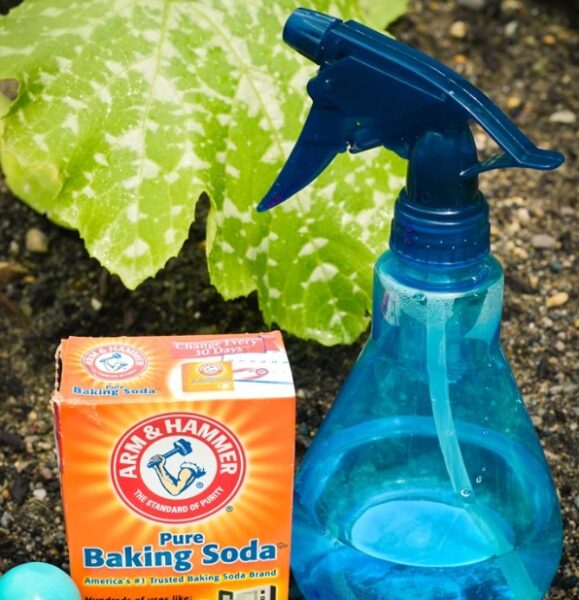
Baking soda is one of those inexpensive household products that seems to have endless uses. It can help with cleaning, deodorizing and countless jobs around the home—but what about the garden?
Search online and you’ll find impressive claims: baking soda supposedly makes tomatoes sweeter, eliminates weeds, encourages flowers to bloom, kills garden pests and even makes compost decompose faster.
Unfortunately, many of these popular gardening hacks are exaggerated.
Baking soda (sodium bicarbonate) isn’t a fertilizer, and using too much of it directly in garden soil can introduce unwanted sodium and potentially harm plants.
That doesn’t mean you should keep it out of the garden completely. Used carefully and for the right purposes, baking soda can still be surprisingly useful.
Here are 10 smart ways to use baking soda in and around the garden—plus several popular tricks you should avoid. 🌱
🧪 First: What Exactly Is Baking Soda?
Baking soda is sodium bicarbonate (NaHCO₃), a mildly alkaline compound.
Its properties make it useful as:
✔ a mild abrasive
✔ a household cleaner
✔ a deodorizer
✔ an ingredient in some homemade cleaning solutions
But there’s something gardeners need to remember:
⚠️ Baking soda contains sodium.
Repeatedly adding sodium bicarbonate to garden soil can increase sodium levels.
Excess sodium can interfere with soil structure and make it more difficult for plant roots to manage water and nutrients.
So the golden rule is:
👉 Use baking soda primarily for targeted applications—not as something to routinely sprinkle throughout your garden soil.
🍃 1. Baking Soda for Powdery Mildew
This is probably the most legitimate garden use associated with baking soda.
Powdery mildew appears as a white or gray powdery coating on leaves and can affect plants such as:
🥒 cucumbers
🎃 squash
🌹 roses
🍇 grapes
🌸 ornamentals
Bicarbonate-based treatments can help suppress certain fungal diseases, particularly when used preventively or at an early stage.
🌿 Simple homemade spray
You can try:
- 1 teaspoon baking soda
- 1 quart (about 1 liter) water
- a few drops of mild liquid soap
Mix thoroughly and apply lightly to affected foliage.
⚠️ Important precautions
Test the mixture on a small section of the plant first and wait before treating the entire plant.
Avoid spraying:
❌ during very hot weather
❌ in intense midday sun
❌ excessively or too frequently
❌ on plants that react badly during your test application
Homemade mixtures can cause leaf damage when they’re too concentrated.
Also remember that baking soda isn’t a universal cure for every fungal disease.
💡 Improving air circulation, spacing and watering practices is often just as important as spraying.
🪴 2. Clean Dirty Garden Pots
Old pots can accumulate:
- mineral deposits
- soil residue
- dirt
- algae
- grime
Baking soda’s mild abrasive action makes it useful for cleaning many durable containers.
🧼 How to use it
Make a paste from:
baking soda + a small amount of water
Apply it with a sponge or brush and gently scrub the dirty areas.
Then rinse thoroughly.
💡 This can be especially useful for stubborn residue on sturdy plastic or glazed containers.
For delicate, painted or porous materials, test a small area first.
🛠️ 3. Clean Garden Tools
Shovels, trowels, pruning tools and other garden equipment quickly become covered with dirt, sap and grime.
A baking soda paste can help with general cleaning.
How to do it
Mix:
3 parts baking soda + approximately 1 part water
until you have a spreadable paste.
Apply it to the dirty surface, scrub gently and rinse.
Dry metal tools thoroughly afterward.
⚠️ What about rust?
Baking soda may help remove light surface staining, but don’t expect it to restore heavily rusted tools.
Severe corrosion usually requires a more appropriate rust-removal method.
🧤 4. Clean Grimy Gardening Gloves
Reusable rubber or durable synthetic gardening gloves can become dirty after working with wet soil.
For suitable washable gloves, a little baking soda can help loosen grime and odors.
Make a mild paste, gently clean the exterior and rinse thoroughly.
⚠️ Always follow the glove manufacturer’s washing instructions, particularly for leather or specialty materials.
🪑 5. Clean Outdoor Garden Furniture
Baking soda can be useful for cleaning certain durable outdoor surfaces.
It can help remove everyday grime from:
✔ plastic garden chairs
✔ some tables
✔ certain outdoor containers
✔ washable hard surfaces
Mix baking soda with enough water to create a mild cleaning paste.
Scrub gently and rinse.
⚠️ Test first
Avoid assuming it’s suitable for every surface.
Painted finishes, natural stone, aluminum and delicate coatings may require different cleaning methods.
🐦 6. Clean Birdbaths and Outdoor Water Dishes
Birdbaths can quickly develop dirt and organic residue.
Mechanical scrubbing with water should be your first approach. A small amount of baking soda can also serve as a mild abrasive on a compatible surface.
How to clean
- Empty the birdbath.
- Remove loose debris.
- Sprinkle a small amount of baking soda onto a wet brush.
- Scrub thoroughly.
- Rinse repeatedly with plenty of clean water.
- Refill with fresh water.
🐦 Very important: No cleaning residue should remain in water intended for birds or other wildlife.
Regular water changes and physical scrubbing remain the most important steps.
🏷️ 7. Clean Plant Labels and Garden Markers
Reusable plant labels are a simple way to reduce garden waste.
At the end of the season, labels often become covered with soil, algae or old marker residue.
For compatible surfaces, use a little baking soda paste and gently scrub them clean.
Rinse, dry and reuse them next season. ♻️
It’s a small trick, but a practical one.
🧺 8. Freshen Empty Garden Bins and Containers
Empty garden storage containers can develop unpleasant odors, especially if they’ve previously held damp organic material.
After emptying the container, wash it thoroughly.
For suitable hard surfaces, baking soda can be used during cleaning to help reduce lingering odors.
Rinse well afterward and allow the container to dry completely.
⚠️ This doesn’t mean you should pour baking soda directly into an active compost pile—which we’ll discuss below.
👢 9. Deodorize Gardening Boots
After a warm afternoon in the garden, gardening shoes and rubber boots aren’t always pleasantly scented. 😅
When the footwear material allows it, a little dry baking soda can help absorb odors inside dry boots.
How to use it
Sprinkle a small amount inside dry footwear and leave it for several hours or overnight.
Then shake or vacuum it out completely before wearing the boots again.
For leather or specialty footwear, follow the manufacturer’s care instructions instead.
🧽 10. Clean Garden Work Surfaces
Potting benches and other washable garden work surfaces often accumulate:
🌱 potting mix
🍂 plant residue
💧 water marks
🪴 general grime
On compatible surfaces, baking soda can be used as a gentle abrasive.
Sprinkle a small amount onto a damp sponge, scrub gently and rinse thoroughly.
This is one of the safest ways to make baking soda useful in the garden:
👉 Use it for cleaning around plants rather than continually putting it into the soil.
🚫 Popular Baking Soda Garden Hacks That Need a Reality Check
Now we get to the most important part.
Several viral baking soda gardening tricks sound fantastic but aren’t as useful as they appear.
🍅 Myth #1: Baking Soda Makes Tomatoes Sweeter
One popular trick recommends sprinkling baking soda around tomato plants to reduce soil acidity and produce sweeter tomatoes.
It sounds logical—but it’s not a reliable way to improve tomato flavor.
Tomato sweetness and flavor are influenced by factors such as:
✔ variety
✔ ripeness
✔ sunlight
✔ temperature
✔ watering
✔ overall plant health
Adding sodium bicarbonate to the soil doesn’t guarantee sweeter tomatoes.
Worse, repeated applications add sodium to the root zone.
✅ Better approach
Choose a flavorful tomato variety, give plants plenty of sunlight, maintain appropriate nutrition and avoid extreme fluctuations in watering.
🌸 Myth #2: Baking Soda Makes Flowers Bloom More
Another popular recommendation is to water begonias, hydrangeas or other flowers with baking soda water.
There’s a major problem:
👉 Baking soda isn’t fertilizer.
It doesn’t provide plants with the balanced nutrients they require for flowering.
🌺 Better approach
For more flowers:
✔ provide appropriate sunlight
✔ maintain healthy soil
✔ fertilize according to the plant’s needs
✔ water correctly
✔ prune or deadhead when appropriate for the species
💙 Myth #3: Use Baking Soda to Change Hydrangea Color
Hydrangea color is more complicated than simply making soil “acidic” or “alkaline.”
In certain hydrangea varieties, flower color is influenced by soil chemistry, particularly pH and aluminum availability.
Randomly adding baking soda isn’t a precise or particularly soil-friendly way to manage this.
If changing hydrangea color is your goal, test the soil first and use an appropriate horticultural amendment.
🌱 Myth #4: Baking Soda Is a Good General Soil pH Adjuster
Technically, sodium bicarbonate is alkaline and can influence pH.
But that doesn’t make it the best product for adjusting garden soil.
The problem is again sodium.
Repeated use can introduce unnecessary salt into the soil.
✅ Better approach
Before changing soil pH:
- Test the soil.
- Determine whether adjustment is actually necessary.
- Use an appropriate horticultural amendment based on the test results.
Don’t change soil chemistry simply because a viral gardening trick recommends it.
🌿 Myth #5: Baking Soda Is a Safe Natural Weed Killer
A concentrated amount of baking soda may damage vegetation.
But that’s exactly the problem.
It doesn’t magically know the difference between a weed and a plant you want to keep.
And repeatedly putting sodium into garden soil isn’t an ideal weed-management strategy.
⚠️ Especially avoid using it
❌ around vegetable roots
❌ in flower beds
❌ close to desirable plants
❌ repeatedly on garden soil
🌱 Better natural options
For garden beds, consider:
✔ hand pulling
✔ hoeing
✔ mulching
✔ preventing weeds from producing seed
These approaches don’t leave sodium behind.
🐛 Myth #6: Baking Soda + Flour Repels Garden Pests
Recipes mixing equal parts baking soda and flour are often promoted as universal garden pest repellents.
There’s not good reason to assume this mixture will reliably control the wide range of insects described in viral posts.
Garden pests require identification first.
Aphids, slugs, caterpillars, beetles and mites aren’t controlled in the same way.
🐞 Better approach
Identify the pest and choose the least disruptive effective method.
Depending on the problem, that might include:
✔ hand removal
✔ water spray
✔ barriers
✔ row covers
✔ encouraging beneficial insects
✔ an appropriately labeled treatment when necessary
🥬 Myth #7: Sprinkle Baking Soda Around Cabbage Plants
Baking soda is sometimes recommended as a “booster” for:
🥬 cabbage
🥦 broccoli
🌱 kale
🥦 cauliflower
But these plants don’t require sodium bicarbonate to grow successfully.
Baking soda doesn’t provide the balanced nutrition these crops need.
Better approach
Give brassicas:
✔ fertile soil
✔ adequate nitrogen
✔ consistent moisture
✔ suitable spacing
✔ appropriate pest protection
♻️ Myth #8: Baking Soda Fixes Smelly Compost
If your compost smells terrible, adding baking soda doesn’t address the underlying cause.
Bad odors often indicate that the compost is:
💧 too wet
🌿 overloaded with nitrogen-rich material
🌬️ poorly aerated
🍂 lacking enough dry carbon-rich material
✅ Fix smelly compost instead
Turn or aerate the pile and add dry carbon-rich materials such as:
🍂 dry leaves
📦 shredded plain cardboard
🌾 suitable dry plant material
The goal is to restore the composting conditions—not mask the smell.
♻️ Myth #9: Baking Soda Makes Compost Decompose Faster
There’s no need to add baking soda to speed up a healthy compost pile.
Efficient composting depends much more on:
✔ moisture
✔ oxygen
✔ particle size
✔ temperature
✔ carbon-to-nitrogen balance
✔ microbial activity
💡 Want faster compost?
Chop large materials into smaller pieces, maintain appropriate moisture and turn the pile when needed.
Those changes are far more useful than adding sodium bicarbonate.
⚠️ Where You Should NOT Routinely Use Baking Soda
Avoid repeatedly applying baking soda:
❌ directly around plant roots
❌ throughout vegetable beds
❌ as a routine fertilizer
❌ as a general soil amendment
❌ as an all-purpose pesticide
❌ in compost piles
❌ on leaves at high concentrations
Remember:
Natural doesn’t automatically mean harmless.
Baking soda is useful, but dose and location matter.
🌿 What About Baking Soda as a Fungicide?
This deserves extra clarification because it’s one of the few plant-related uses with some basis behind it.
Bicarbonates can interfere with conditions favorable to certain fungal pathogens, and bicarbonate-containing products are used in horticultural disease management.
But potassium bicarbonate is commonly preferred in commercial horticultural formulations because it doesn’t introduce sodium in the same way sodium bicarbonate does.
That doesn’t mean a mild homemade baking soda spray can never be useful.
It means:
👉 don’t assume stronger is better
👉 test before spraying the entire plant
👉 don’t spray indiscriminately
👉 identify the disease first
👉 use a registered product when reliable disease control is important
🧪 Can Baking Soda Test Your Soil pH?
You’ve probably seen the DIY experiment where vinegar is poured onto one soil sample and baking soda onto another.
It’s a fun experiment, but it doesn’t provide an accurate soil pH measurement.
At best, strong fizzing may offer a rough clue about certain chemical reactions.
✅ Better option
Use:
✔ a reliable soil pH test kit
✔ a calibrated meter
✔ professional laboratory soil testing
If you’re planning to alter your soil, accurate information is worth having.
🌱 5 Better Natural Garden Helpers
Instead of using baking soda for every gardening problem, keep these useful materials around.
🍂 1. Mature Compost
Excellent for improving soil structure and adding organic matter.
🌾 2. Organic Mulch
Helps suppress weeds, conserve moisture and protect the soil surface.
🪱 3. Worm Castings
A useful soil amendment when appropriately incorporated into your gardening routine.
🍃 4. Dry Leaves
Excellent carbon-rich material for compost and useful as mulch when appropriately prepared.
💧 5. Water
Sometimes the simplest solution is the best one.
A strong stream of water, for example, can physically remove many aphids from sturdy plants without requiring a homemade chemical mixture.
❓ FAQ – Baking Soda in the Garden
Is baking soda safe for plants?
Small, targeted applications may be tolerated by some plants, but concentrated or repeated exposure can damage foliage or contribute sodium to the soil.
Always use caution.
Can I sprinkle baking soda directly on garden soil?
It’s generally better not to routinely add baking soda to garden soil, especially around desirable plants.
Does baking soda kill weeds?
High concentrations may damage vegetation, but it isn’t selective and repeated applications introduce sodium. Mechanical removal and mulch are generally better choices for garden beds.
Does baking soda make tomatoes sweeter?
There’s no reliable reason to expect sprinkling baking soda around tomato plants to make their fruit sweeter.
Variety, sunlight, ripeness and growing conditions have much greater influence on flavor.
Is baking soda good for roses?
It shouldn’t be used as a fertilizer for roses. Mild bicarbonate sprays may sometimes be discussed for certain fungal problems, but correct diagnosis and concentration are important.
Can baking soda help powdery mildew?
It may help suppress powdery mildew under some conditions, particularly when used early. However, homemade sprays can damage foliage if they’re too concentrated.
Can baking soda kill aphids?
Don’t rely on baking soda as an aphid treatment. Small infestations can often be reduced with water or manual removal, while larger problems should be treated using an appropriate pest-management method.
Can baking soda improve compost?
A healthy compost pile doesn’t need baking soda. Focus instead on moisture, oxygen and a good balance of green and brown materials.
Is baking soda an organic fertilizer?
No. Baking soda is sodium bicarbonate and shouldn’t be considered a balanced plant fertilizer.
🏁 Final Thoughts
Baking soda can be useful in the garden—but probably not for the reasons many viral gardening hacks claim.
Its strongest uses are often surprisingly simple:
🛠️ cleaning garden tools
🪴 cleaning pots
🧽 cleaning outdoor work surfaces
🐦 scrubbing suitable birdbaths
👢 reducing odors in gardening footwear
🍃 carefully managing certain fungal problems
What shouldn’t you do?
Avoid treating baking soda as a fertilizer, tomato sweetener, universal pesticide, compost accelerator or routine soil amendment.
Used carefully, baking soda deserves a place in your garden toolkit.
Just keep most of it around the garden rather than in the soil. 🌿